

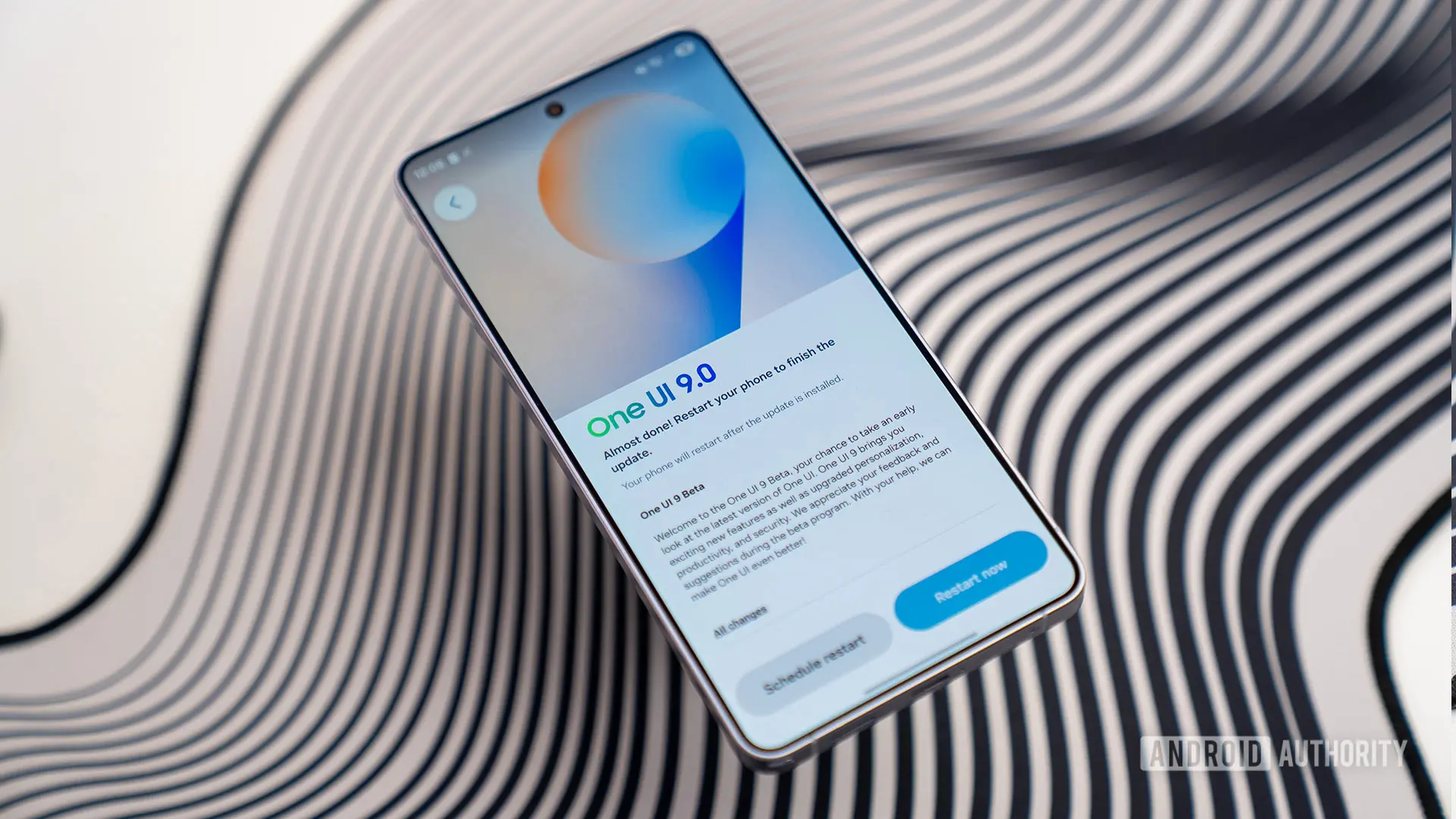
Samsung's One UI 9 update is still rolling out to Galaxy devices, but attention is already shifting to the next major version. One UI 9.5 has been the subject of multiple leaks in recent weeks, and fresh screenshots from an internal build suggest the update could arrive with two significant additions: a satellite connectivity hub and a new USB debugging mode. While these features are not yet official, the screenshots offer a glimpse into what Samsung is exploring for its Android skin.
Satellite Connectivity Hub Appears in One UI 9.5 Leak
According to screenshots shared by a well-known tipster on X, Samsung is working on a new setting called "Satellite connectivity hub." The feature appears to be a direct implementation of Google's Satellite SOS functionality, which first debuted on the Pixel 9 series. If the leak is accurate, it could finally bring native satellite communication support to Galaxy devices, a capability that has been expected for some time.
The satellite connectivity hub would allow users to send messages and contact emergency services when mobile data and Wi-Fi networks are unavailable. This is particularly useful for people who spend time in remote areas, hiking trails, or other places with no cellular coverage. The feature is also designed to include a demo mode, which would help users understand how satellite communication works before they actually need it. In addition, an alignment guide would help users establish a stable satellite connection by properly positioning their device, a critical step for successful satellite messaging.
Google's Satellite SOS and Android's Push Toward Satellite Connectivity
Google introduced Satellite SOS with the Pixel 9 series, making it one of the first mainstream Android phones to offer built-in satellite messaging without requiring a third-party app. This service uses satellite networks to send emergency messages and share location data with first responders. It was a major step for Android, as Apple had already offered similar functionality through its Emergency SOS via satellite feature on iPhone 14 and later models.
Android's underlying framework has supported satellite connectivity since Android 15, encouraging device makers to build on top of it. Samsung's One UI 9.5 satellite connectivity hub appears to be one such implementation. Instead of relying on a separate app or hardware add-on, the feature would be integrated directly into the system settings, making it easy for users to access when needed.
Samsung's Long-Running Interest in Satellite Communication
Samsung has been working on satellite connectivity for years. In 2023, the company announced a partnership with Iridium and Qualcomm to bring satellite messaging to Galaxy devices, but that initiative did not result in a widely available consumer feature. Later, reports emerged about Samsung developing its own satellite technology, including patents related to antenna design and satellite network integration. The new leak suggests that Samsung may now be ready to deliver satellite connectivity through a collaboration with Google rather than as a standalone effort.
This move would also align with Samsung's broader strategy of integrating Google's latest Android features into One UI. Samsung has traditionally adopted Google's core system features while adding its own customization layer. The satellite connectivity hub could combine Google's underlying technology with Samsung's user-friendly interface, giving Galaxy users a seamless experience when they are off the grid.
What Satellite Connectivity Means for Galaxy Users
If One UI 9.5 includes the satellite connectivity hub, Galaxy users will gain a vital safety net in emergencies. The ability to contact emergency services from a location without cellular coverage can mean the difference between life and death in serious situations such as car accidents, natural disasters, or medical emergencies while hiking. With satellite connectivity built into the system, users no longer need to carry a separate satellite messenger or learn complicated procedures.
The demo mode will be especially valuable for helping users understand the limits and requirements of satellite communication. Unlike standard messaging, satellite messaging often requires a clear line of sight to the sky and may take several seconds to send. The alignment guide would walk users through the process, showing them where to point their phone and how to maintain a stable connection. This kind of user education is critical because satellite connectivity is not as intuitive as traditional text messaging.
For business users, this feature could also be helpful for professionals who work in remote environments, such as oil rigs, construction sites, or scientific expeditions. Being able to send status updates or request assistance even without a cellular signal adds a layer of security that many industries have long desired.
New "Debugging Only" USB Mode for Developers
Another notable discovery in the leaked screenshots is a new "Debugging only" option under USB settings. This mode would coexist with existing options like "File Transfer," "USB Tethering," and "MIDI." The "Debugging only" mode appears to be designed specifically for developers, offering a cleaner way to access ADB and other developer tools without having to pick a generic USB configuration.
Currently, when a Galaxy device with USB debugging enabled is connected to a PC, it does not show any simple notification confirming that the debugging feature is active. Users also lack a convenient way to ensure that USB debugging is not being used while the phone is connected to another device. The new "Debugging only" option would address this by allowing users to explicitly enable or disable USB debugging access directly from the USB settings screen, reducing the need to dig through the developer options every time.
Security and Usability Benefits
The enhanced USB mode is not just about convenience; it also has security implications. USB debugging can be a security risk if left enabled in public areas, as a malicious device could potentially access the phone's data over a USB connection. The current method of toggling USB debugging requires navigating to developer options, which some users may forget to do. A dedicated "Debugging only" mode would make it easier to switch on debugging during development sessions and switch it off when not in use, minimizing the risk of unauthorized access.
Additionally, the new mode could help identify when a device is connected in debugging mode, offering a visual indicator or notification. While the leaked screenshots do not detail all aspects of the feature, it is clear that Samsung is paying attention to the needs of developers and security-conscious users.
Will These Features Ship in the Stable Release?
As with any leak from an internal build, there is no guarantee that Samsung will include these features in the beta or stable versions of One UI 9.5. The company often tests multiple features internally and decides which ones make the final cut based on stability, user demand, and carrier requirements. However, the appearance of a fully designed satellite connectivity hub suggests that the feature has passed early development and is being prepared for wider testing.
Samsung has a history of holding back certain features for future updates, so it is possible that some capabilities might be delayed if they are not ready. That said, the pressure from Apple and Google is mounting, and Galaxy users have been requesting native satellite connectivity for a long time. The inclusion of this feature in One UI 9.5 would mark a significant milestone for Samsung's flagship lineup and could influence the purchasing decisions of people who prioritize safety and communication reliability.
The "Debugging only" USB mode is a smaller but equally welcome addition. It shows that Samsung is refining the developer experience, making the software more flexible for those who build and test apps. Developers often choose Samsung devices for testing because of their large user base and diverse hardware, so any improvement in this area is likely to be appreciated.
For now, Galaxy users will have to wait for an official announcement from Samsung. The company typically reveals One UI beta versions in the months following the release of a major update, and One UI 9.5 could enter beta as early as later this year. When that happens, we will see whether the satellite connectivity hub and the new USB mode are ready for prime time.
In the meantime, the leaks provide a compelling look at what Samsung is planning. With satellite messaging becoming increasingly common on premium smartphones, the absence of such a feature on Galaxy devices has been a noticeable gap. If One UI 9.5 closes that gap, it will bring Galaxy users peace of mind in emergencies and reinforce Samsung's position as a leader in the Android ecosystem.
Source:Android Authority News