

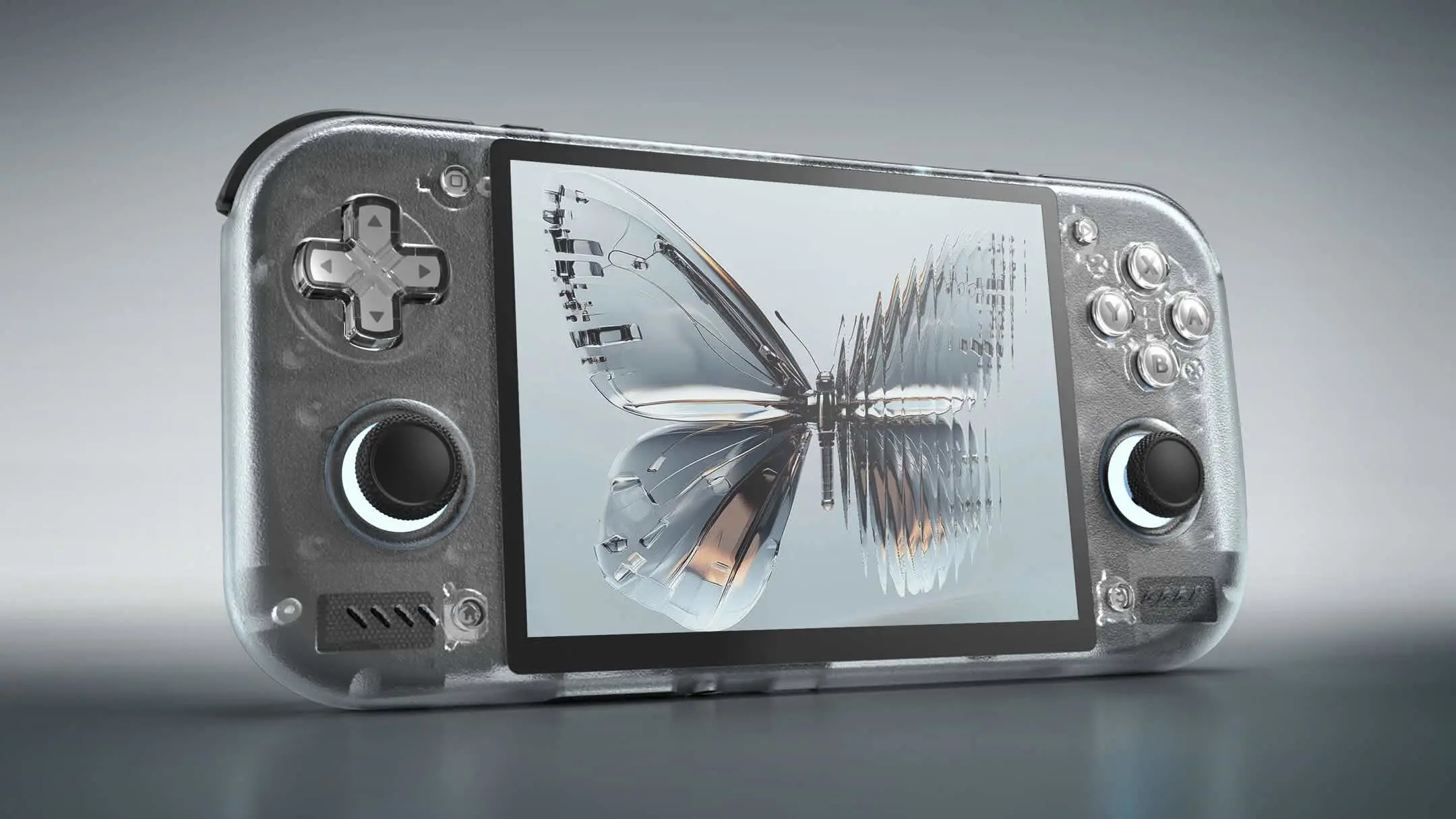
Retroid's latest Android handheld, the Retroid Pocket Nova, has just received an official LineageOS 23.2 build based on Android 16. The news arrives as the device is still making its way into customers' hands after shipping began at the end of July. For owners who have been waiting for a more modern software experience, this is a welcome development—especially since the handheld ships with Android 13, which is now several versions behind Google's latest operating system.
What Is LineageOS?
LineageOS is one of the most popular custom ROMs in the Android ecosystem. It is the successor to CyanogenMod, which was widely used by enthusiasts for years. The project provides a clean, near-stock Android experience, free of bloatware and manufacturer-specific customizations. Official builds are maintained by a dedicated community of developers and are typically updated with security patches and new features on a regular basis.
For a device like the Retroid Pocket Nova, which is designed for gaming but also functions as a general-purpose Android tablet, LineageOS offers several advantages. Users can enjoy a more streamlined interface, better background process management, and the ability to customize the system at a deeper level. Additionally, because LineageOS is built from the Android Open Source Project (AOSP), it tends to be lighter on resources than many stock ROMs, which can translate to improved performance and battery life.
From Android 13 to Android 16
The Retroid Pocket Nova originally launched with Android 13, a version of Android that was released in 2022. While Android 13 is still functional and supports a wide range of apps, it lacks some of the advancements introduced in later versions. Android 16, which is the base for this new LineageOS build, brings improvements in areas such as multitasking, notifications, privacy controls, and system performance. For a handheld that users may rely on for both gaming and daily productivity, these updates can make a tangible difference.
One of the most noticeable changes in Android 16 is its emphasis on smoother animations and more efficient resource handling. This is particularly relevant for gaming devices like the Pocket Nova, where frame pacing and thermal management are critical. The new version also includes updated APIs that allow developers to better optimize their games for the hardware, potentially leading to higher frame rates and lower power consumption.
Performance and Battery Life Gains
LineageOS 23.2 is built with performance in mind. The custom ROM often eliminates many of the background processes and services that manufacturers include in their stock software, freeing up system resources for the user. On the Retroid Pocket Nova, which is powered by the Qualcomm QCS8550 chipset—essentially a Snapdragon 8 Gen 2—this can result in a snappier experience across the board. The device already has up to 12GB of RAM and 128GB of storage, so the combination of powerful hardware and an optimized operating system should impress even demanding users.
Battery life is another area where LineageOS often shines. By reducing unnecessary background activity and providing more granular control over power management, users can squeeze extra hours out of the 5,000mAh battery. The Pocket Nova supports 27W wired charging, which means top-ups are relatively quick, but longer battery life is always preferred, especially during travel or extended gaming sessions.
It is also worth noting that LineageOS includes features like battery saver modes and per-app power profiles, giving users the flexibility to extend their playtime further. For a handheld that is often used on the go, these options are invaluable.
The Stock Launcher vs. LineageOS
One of the debates among Retroid Pocket Nova owners is whether to stick with the stock software or switch to LineageOS. Retroid ships the device with a custom launcher that is tailored for gaming. This launcher includes features such as automatic box art download for game ROMs, which is a significant convenience for retro gaming enthusiasts. Users can simply load their ROM files, and the launcher will fetch cover art and metadata from the internet, making the game library visually appealing and easy to navigate.
LineageOS, on the other hand, offers a more conventional Android experience. It does not come with a built-in gaming launcher, so users will need to rely on third-party frontends like Daijisho, Pegasus, or ATV Launcher to achieve a similar setup. While this adds an extra step, many users prefer the flexibility of choosing their own launcher and customizing the interface to their liking.
Another factor to consider is that LineageOS is based on a newer version of Android, which means better compatibility with future apps and games. The stock Android 13 firmware may become increasingly outdated as developers target newer OS versions. By switching to LineageOS, users future-proof their device to some extent.
Official Support and Community Response
The availability of an official LineageOS build is a significant milestone for the Retroid Pocket Nova. Official support means that the build is maintained by the LineageOS team and receives regular updates, including monthly security patches and bug fixes. This is different from unofficial builds, which may be developed by individual maintainers and lack the same level of testing and oversight.
News of the official build was shared on Reddit and quickly gained traction within the community. Many users expressed excitement about the possibility of upgrading to Android 16 and the potential performance improvements. Some noted that the official support is a testament to the growing popularity of Retroid devices and the active community that surrounds them.
Context: The Retroid Pocket Series
Retroid has been a key player in the Android handheld gaming market for years. The company's devices are known for offering good performance at budget-friendly prices. The Pocket Nova continues this tradition, with a starting price of just $229. That undercuts the Retroid Pocket 6, which launched at a higher price point and also received official LineageOS support last month.
The Pocket Nova is positioned as a powerful yet affordable option for gamers who want to play everything from retro classics to modern Android games. Its 4.5-inch AMOLED screen with a 120Hz refresh rate ensures vibrant visuals and smooth motion. The device also features a built-in cooling system to prevent thermal throttling during intensive gaming sessions, a detail that highlights Retroid's focus on performance.
By offering official LineageOS support for both the Pocket 6 and the Pocket Nova, Retroid is signaling that it is committed to giving users the freedom to modify their devices. This is a departure from many consumer electronics companies, which often lock down their hardware or discourage custom firmware. For the handheld gaming community, this is a positive trend.
How to Install LineageOS on the Pocket Nova
Installing LineageOS is not for the faint of heart. It requires an unlocked bootloader, which may void the device's warranty, and a willingness to follow technical instructions carefully. Users will need to download the official build from the LineageOS website, along with the recommended recovery image and, if desired, the Google Apps (GApps) package to get access to the Google Play Store.
Before proceeding, it is highly recommended to back up all data, as the installation process will wipe the device. There are numerous guides available online, and the LineageOS community is generally helpful for newcomers. However, it is important to understand the risks involved, including the possibility of bricking the device if something goes wrong.
That said, the rewards can be substantial. Users who successfully install LineageOS will have a clean, fast, and customizable operating system that makes the most of the Pocket Nova's hardware.
The Future of Android Handhelds
The arrival of official LineageOS support for the Retroid Pocket Nova is part of a broader trend in the Android handheld market. More manufacturers are beginning to embrace open development, and custom ROMs are becoming more accessible to mainstream users. This benefits consumers, as it ensures that devices remain useful and up-to-date long after their original software support ends.
For Retroid, offering official support for custom ROMs could help build brand loyalty and attract enthusiasts who value flexibility. It also positions the company as a player that listens to its community. The response to the Pocket Nova's LineageOS build suggests that there is a strong demand for such support.
As Android continues to evolve, it is likely that we will see more handheld manufacturers follow suit and release devices with the ability to run alternative operating systems. The success of the Pocket Nova and its community will serve as a test case for how this approach can work in practice.
For now, owners of the Retroid Pocket Nova have a decision to make: stick with the stock Android 13 experience with its convenient gaming launcher, or take the plunge into the world of custom ROMs with the promise of better performance, longer battery life, and a more current version of Android. Both options have their merits, but the availability of official LineageOS 23.2 gives users a choice that many other handheld owners do not have.
The fact that this support arrived so soon after the device began shipping is a testament to the dedication of the LineageOS developers and the growing interest in Android handheld gaming. It will be interesting to see how the community responds and whether other developers are inspired to create even more custom builds for this promising device.
As the Retroid Pocket Nova continues to reach customers around the world, the availability of LineageOS 23.2 is likely to be a major talking point in gaming forums and discussion groups. Whether users choose to embrace it or stay with the stock software, the option itself is a victory for consumer choice and open-source software.
Source:Android Authority News