

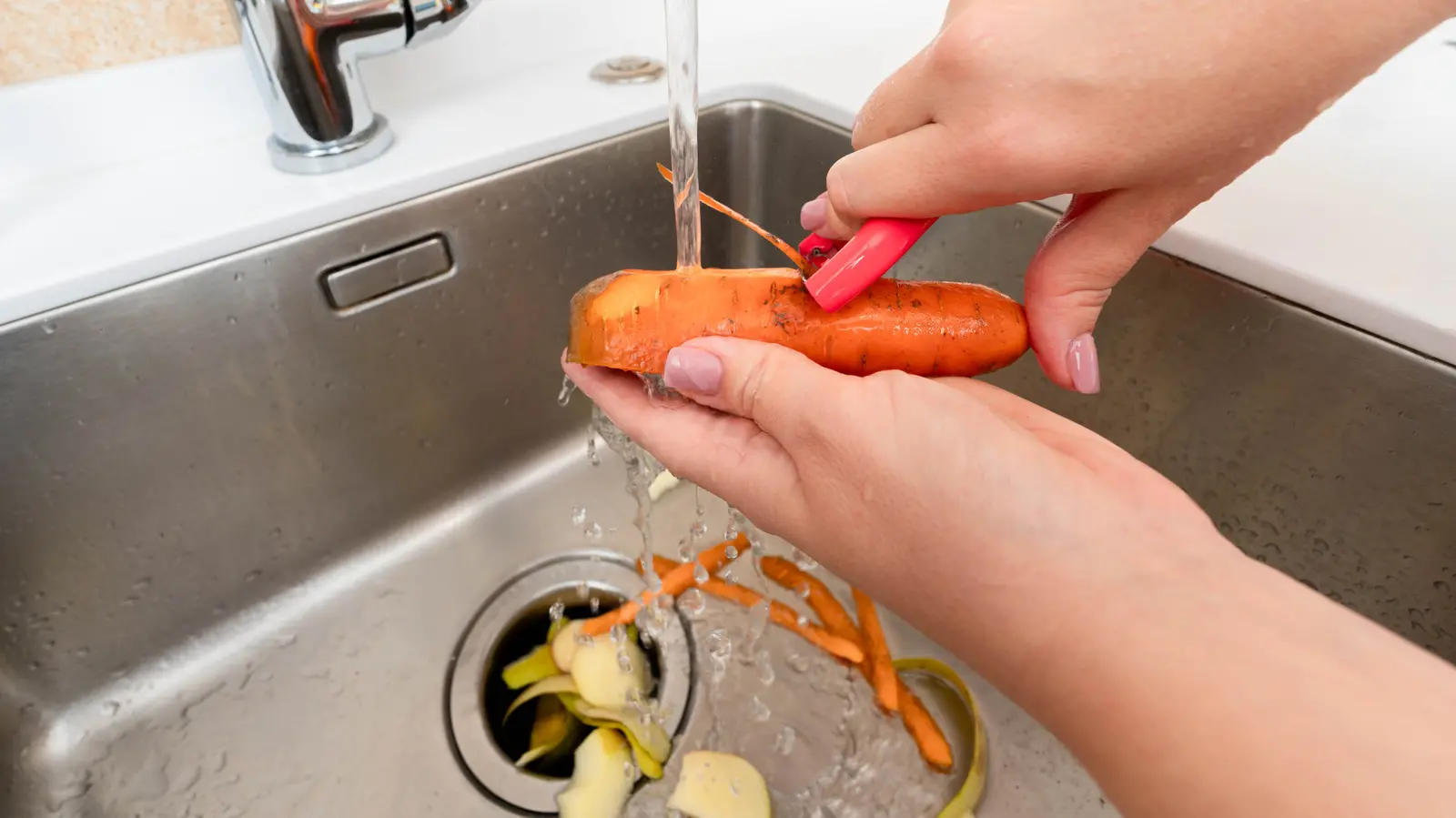
Since kitchens are where we prepare our meals, keeping them clean is essential for both health and comfort. One often-overlooked area that handles the most food waste is the garbage disposal. For homes equipped with this appliance, it offers a convenient way to eliminate food particles. However, when buildup starts to affect performance, you may notice odd smells, slow drainage, or even a fully clogged sink. Unlike other kitchen gadgets that can be sold or donated, a garbage disposal is built into your kitchen, so learning how to maintain it is unavoidable.
Cleaning a garbage disposal requires attention to three main components: the splash guard, the interior chamber, and the trap beneath the sink. You will need a few basic supplies: tongs or pliers small enough to fit through the drain opening, a flashlight for visibility, dish soap, a long-handled brush, and—according to health experts—baking soda, vinegar, ice, and optional lemon slices. These items are sufficient for a thorough cleaning that removes grime and neutralizes odors.
Step-by-Step Cleaning Process
Before doing anything, ensure the garbage disposal is powered off. Depending on the model, this may involve unplugging it from the outlet under the sink or switching off its dedicated circuit breaker. This step is crucial for your safety. Once the power is disconnected, use the flashlight to inspect the interior for large food particles or foreign objects. Use tongs or pliers to remove any debris you find. Never put your hand inside the disposal, even when it is off.
Next, focus on the splash guard—the rubber flap that prevents food from splashing back up. You can often pull it off entirely or lift it upward to expose its surface. Scrub it thoroughly with a brush and dish soap to remove grease and residue. Rinse it well before reattaching it. The splash guard is a common hiding spot for mold and bacteria, so this step is not optional.
For the interior chamber, the recommended method is to place six ice cubes, half a cup of baking soda, and one cup of vinegar into the drain. The combination triggers a fizzing reaction that helps loosen grime from the blades and inner walls. After letting it sit for a few minutes, pour boiling water down the drain to flush away the debris. For a fresh scent, add a few lemon slices while running the disposal with cold water. This simple method is both effective and environmentally friendly.
If you suspect a blockage in the trap—the curved pipe beneath the sink—you will need to disconnect the pipes using pliers. Place a bucket underneath to catch any water or debris. Carefully unscrew the trap and clean out any accumulated food waste that may have hardened. Pay special attention to the bends where clogs often form. After cleaning, reassemble the pipes and run water to check for leaks.
Alternatively, you can purchase a specialized garbage disposal cleaner. Many popular options are available online, such as Affresh Garbage Disposal Cleaner tablets and Glisten Garbage Disposer Cleaner packets. These products use foam technology to reach parts of the disposal that are difficult to scrub by hand. They are highly rated by customers and offer a convenient, mess-free cleaning solution. However, regular mechanical cleaning is still recommended to prevent excessive buildup.
How Often Should You Clean a Garbage Disposal?
The frequency of cleaning depends on how often you use the appliance and what you put into it. According to cleaning experts, a weekly cleaning routine is ideal for most households. Some commercial cleaner brands recommend using their products weekly, while others suggest a monthly application. The key is to observe your disposal's performance and odor level. If you notice any unpleasant smells or slow drainage, it is time to clean it regardless of the schedule.
The type of food waste you dispose of also affects how quickly buildup occurs. Foods that are fatty, stringy, or starchy can accelerate the formation of clogs. For example, cooking oil and grease can solidify inside the pipes, while fibrous vegetables like celery can wrap around the blades. Starchy foods such as pasta and rice expand when wet and can create blockages. Coffee grounds are another common culprit, as they accumulate and form a thick sludge over time.
To reduce the frequency of deep cleaning, you can adopt a few preventive habits. Always run cold water before and after using the disposal to flush particles through the system. Grinding ice cubes on a regular basis helps sharpen the blades and dislodge residue. Additionally, consider using daily freshener drops or tablets designed to neutralize odors and break down grime. These small steps can significantly extend the time between thorough cleanings.
Additional Maintenance Tips
Maintaining a garbage disposal is not just about cleaning the visible parts. The condition of the blades and motor also depends on how you use the appliance. Always use cold water when operating the disposal, as hot water can cause grease to liquefy and later coat the pipes. Cut large pieces of food into smaller chunks before feeding them into the disposal to avoid straining the motor. Never dispose of non-food items, plastics, or metal objects that can damage the blades.
A common mistake is using harsh chemical drain cleaners, which can corrode the metal parts of the disposal and damage the plumbing. Stick to gentle, natural cleaning agents like baking soda and vinegar, or use specialized cleaners that are formulated specifically for disposals. If the disposal becomes jammed, turn off the power and use a hex wrench to manually rotate the flywheel. Most models include an Allen wrench for this purpose.
It is also essential to keep the area around the sink clean, as spills and splashes can harbor bacteria. Wipe the rubber splash guard regularly and dry the sink rim to prevent mold growth. If you have a dishwasher, be aware that it often drains into the same pipe as the disposal. Running the dishwasher after cleaning the disposal can help flush any remaining debris.
Many homeowners forget about the importance of the drain line itself. Over time, food particles and soap residue can accumulate in the horizontal pipe leading to the main sewer line. To prevent this, pour a mixture of baking soda and vinegar down the drain monthly, followed by hot water. This simple treatment keeps the line clear and reduces the need for expensive plumbing repairs.
If you notice persistent odors after cleaning, there may be a deeper issue. The antipinch or splash guard may need replacement, or there could be a buildup of bacteria in the trap that requires professional attention. Do not ignore recurring clogs, as they can indicate a more serious plumbing problem. A licensed plumber can inspect the entire system and provide a solution.
Choosing a Commercial Cleaner
When selecting a commercial garbage disposal cleaner, look for products that are safe for your specific model. Some cleaners come in tablet form, allowing for a slow-release action that targets odor-causing bacteria. Others are liquid foams that expand to cover the entire interior. Read reviews to ensure the product is effective and does not leave a residue. A good cleaner should dissolve grease, remove food particles, and leave a pleasant fragrance.
It is also worth considering eco-friendly options that use natural enzymes to break down waste. These are safer for your family and pets and are less harmful to the environment. However, enzyme-based cleaners may take longer to show results compared to chemical foams. If you prefer a quick and thorough clean, a traditional foaming cleaner is likely the better choice.
Regardless of the product you choose, always follow the manufacturer's instructions. Overuse of any cleaner can lead to residue buildup or damage the disposal's seals. Most experts recommend using a commercial cleaner once a week or once a month, depending on the product. Combine this with regular hand scrubbing of the splash guard and interior for the best results.
In addition to the disposal, you should also check other parts of your kitchen that are prone to neglect. For example, cleaning your dishwasher regularly will extend its lifespan and prevent odors. The microwave filter is another often-forgotten component; depending on whether it is a grease filter or a charcoal filter, you may need to soak it in a soap solution every month or every six months. These maintenance tasks ensure your entire kitchen remains hygienic and functional.
Source:SlashGear News