
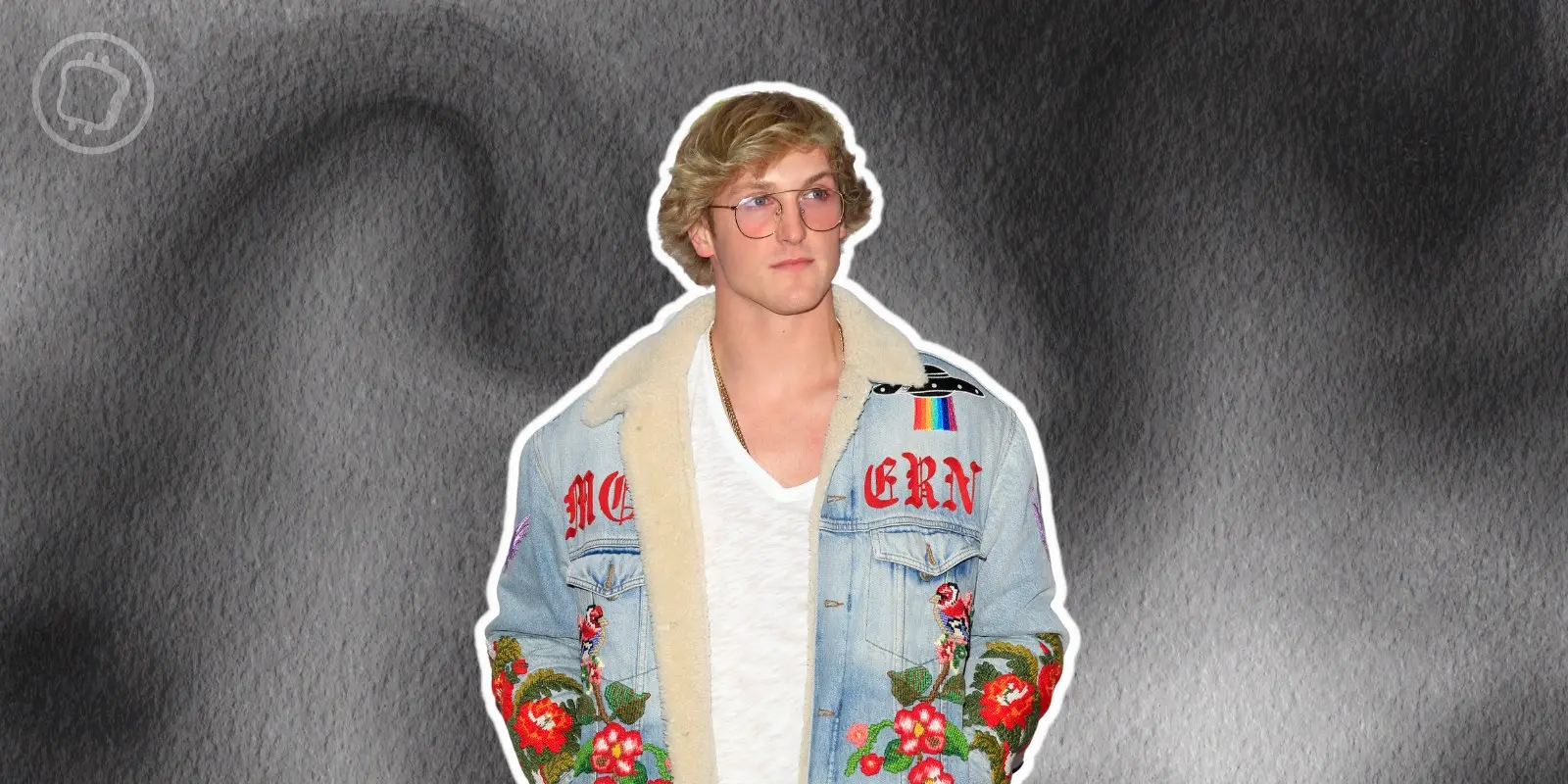
YouTube megastar Logan Paul, who boasts more than 23.5 million subscribers, is officially facing legal action over his failed NFT project CryptoZoo. A group of investors has filed a lawsuit accusing Paul and his associates of orchestrating a fraudulent scheme often referred to as a “rug pull.” The lawsuit, submitted on February 2 in the U.S. District Court for the Western District of Texas, claims that after selling NFTs in 2021, the team behind CryptoZoo vanished without delivering any of the promised benefits.
According to the complaint, the defendants promoted CryptoZoo as a blockchain-based game where NFT holders would receive staking rewards, exclusive access to other cryptocurrencies, and a thriving online ecosystem. Thousands of buyers invested in the project based on these promises, but none of the features were ever delivered. Instead, the lawsuit alleges that millions of dollars in crypto were siphoned into wallets controlled by the defendants shortly after the NFT sale concluded.
The Origins of CryptoZoo
CryptoZoo was launched in 2021 during the height of the NFT boom, a period when celebrity endorsements were driving massive amounts of retail investment into digital assets. Logan Paul, already a polarizing figure known for his vlogs, boxing matches, and entrepreneurial ventures, jumped into the NFT space with great fanfare. The project was initially presented as a play-to-earn game where players could collect, breed, and trade exotic animals as NFTs. Paul described it as a revolutionary gaming experience that would reward early adopters with rare digital creatures and in-game currency.
The hype surrounding CryptoZoo was immense, thanks largely to Paul’s massive online following. His YouTube channel, which has accumulated billions of views, served as a powerful marketing machine. Paul frequently promoted the project across his social media platforms, urging fans to buy NFTs during the presale and public sale. Each NFT was sold at a price of 0.1 ETH, which at the time was roughly $300 to $400. With thousands of units sold, the project raised millions of dollars in a matter of weeks.
However, as the months passed, the promised game failed to materialize. The CryptoZoo team stopped communicating with its community. No beta, no gameplay, no functional NFTs. Discord channels became filled with complaints and desperate questions. The project’s official social media accounts went silent. What had once seemed like a golden opportunity for fans to get in early on a celebrity-backed NFT game quickly turned into a nightmare of lost investments.
The Lawsuit and Its Allegations
The legal complaint paints a damning picture of the project’s internal mechanics. It alleges that Logan Paul and his co-defendants knew from the beginning that CryptoZoo would not be developed as promised. Instead, they used the hype to extract money from unsuspecting investors. The lawsuit names several individuals, including Danielle Strobel, Jeff Levin, Eddie Ibanez, Jake Greenbaum (also known as Crypto King), and Ophir Bentov (also known as Ben Roth). Together, they are accused of executing a scheme to defraud NFT purchasers.
The plaintiffs argue that the defendants “transferred millions of dollars of cryptocurrencies to wallets controlled by the accused” shortly after the sale. They claim this was not the result of mismanagement or unforeseen delays but rather a calculated move to profit from their positions. The complaint also points to the lack of any meaningful development effort. No game assets, no whitepaper updates, no beta releases. Instead, there was only the sudden disappearance of the team and the swift movement of funds.
Interestingly, the lawyer who drafted the complaint, identified as Tom, also created a detailed YouTube video explaining the case. This unusual step has drawn further attention to the lawsuit and has helped the broader crypto community understand the intricacies of the allegations. The video breaks down the timeline of the project, the role of each defendant, and the evidence that plaintiffs believe strengthens their case.
Coffeezilla’s Investigative Exposé
Before the lawsuit, the story of CryptoZoo was already gaining traction thanks to investigative YouTuber Stephen Findeisen, known online as Coffeezilla. With 2.5 million subscribers, Coffeezilla built his reputation by exposing scams and fraudulent schemes in the crypto and influencer worlds. In December 2022, he published a three-part investigation into Logan Paul’s NFT project, amassing nearly 20 million views in total.
In his videos, Coffeezilla interviewed former CryptoZoo team members, analyzed blockchain transactions, and dug into the project’s corporate structure. He found that several key promises made by Logan Paul were misleading. For instance, Paul claimed that the game’s development was progressing well, but Coffeezilla’s sources indicated that little to no actual work was being done. The project appeared to be a shell designed to capture NFT sales revenue.
Coffeezilla also uncovered that one of the alleged developers had, according to Logan Paul, stolen the game’s code and fled to Switzerland, demanding $1 million for its return. However, Coffeezilla’s reporting suggested that this version of events lacked supporting evidence. The YouTube investigator questioned why an established influencer like Paul would trust his entire project to an unvetted developer and why no backups of the code existed.
Logan Paul’s Response and Backtracking
Initially, Logan Paul responded to the allegations with defiance. He posted a video in which he denied all accusations and threatened to sue Coffeezilla for defamation. In that video, Paul described himself as a victim of theft, claiming that the project’s developer ran off with the code and refused to return it unless paid a million dollars. This narrative, however, did little to satisfy the numerous CryptoZoo investors who had lost real money.
Within days, Paul changed his stance. In a series of statements and a new video, he acknowledged that the project had failed and that investors were understandably upset. He announced a plan to raise 1,000 ETH to reimburse NFT holders at their original purchase price of 0.1 ETH. This fund would come from his own pocket, he said, and would be used to buy back the NFTs from affected users. He also expressed a desire to revive the project, hiring a new team and perhaps building the game that was originally promised.
These promises were met with skepticism. Many in the crypto community pointed out that Logan Paul only acted after the negative publicity from Coffeezilla’s investigation and the looming threat of legal action. The fact that the lawsuit was filed just months after his “refund plan” suggests that the legal pressure may have forced his hand. Critics also noted that 1,000 ETH is a fraction of the total funds raised, which were estimated to be significantly higher.
The Broader Implications for Influencer Crypto Projects
The Logan Paul lawsuit is more than just a celebrity scandal. It highlights the systemic problems within the crypto and NFT industry, particularly when influencers use their platforms to promote risky assets. For years, celebrities ranging from Kim Kardashian to Floyd Mayweather have faced legal and regulatory scrutiny for promoting crypto projects that later imploded. The Securities and Exchange Commission (SEC) has become increasingly aggressive in going after such endorsements, emphasizing that high-profile individuals must accurately disclose their compensation and the risks involved.
Rug pulls have become a notorious phenomenon, especially in the decentralized finance (DeFi) and NFT spaces. They involve project developers abandoning their roadmap and running off with investors’ money. According to blockchain analytics firm Chainalysis, rug pulls accounted for a substantial percentage of crypto scam revenue in recent years. The anonymity of blockchain and the ease of creating tokens and NFTs make it relatively simple for unscrupulous actors to execute these schemes.
For Logan Paul, the lawsuit represents a significant tarnishing of his entrepreneurial reputation. He has built a career out of controversial stunts and aggressive self-promotion, but this legal battle cuts deeper. Unlike a boxing match or a prank video, charges of fraud can lead to severe financial and personal consequences. If the plaintiffs succeed, Paul may be liable for damages, civil penalties, and potentially even criminal charges, though the current lawsuit is civil in nature.
The case also serves as a cautionary tale for investors. The allure of quick returns and celebrity validation can easily cloud judgment. CryptoZoo’s collapse is a reminder that NFTs are not inherently valuable; their worth depends on the underlying project, team, and utility. When a celebrity endorses a token or NFT, it is crucial to perform independent research and question the legitimacy of the project.
As the legal proceedings unfold, the crypto community will be watching closely. The outcome of this lawsuit could set a precedent for how influencer-driven crypto projects are held accountable. It may also influence future regulatory actions and the way platforms like YouTube handle sponsored crypto content. For now, the thousands of CryptoZoo investors who lost their money are hoping that justice will be served.
Source:Cryptoast News