

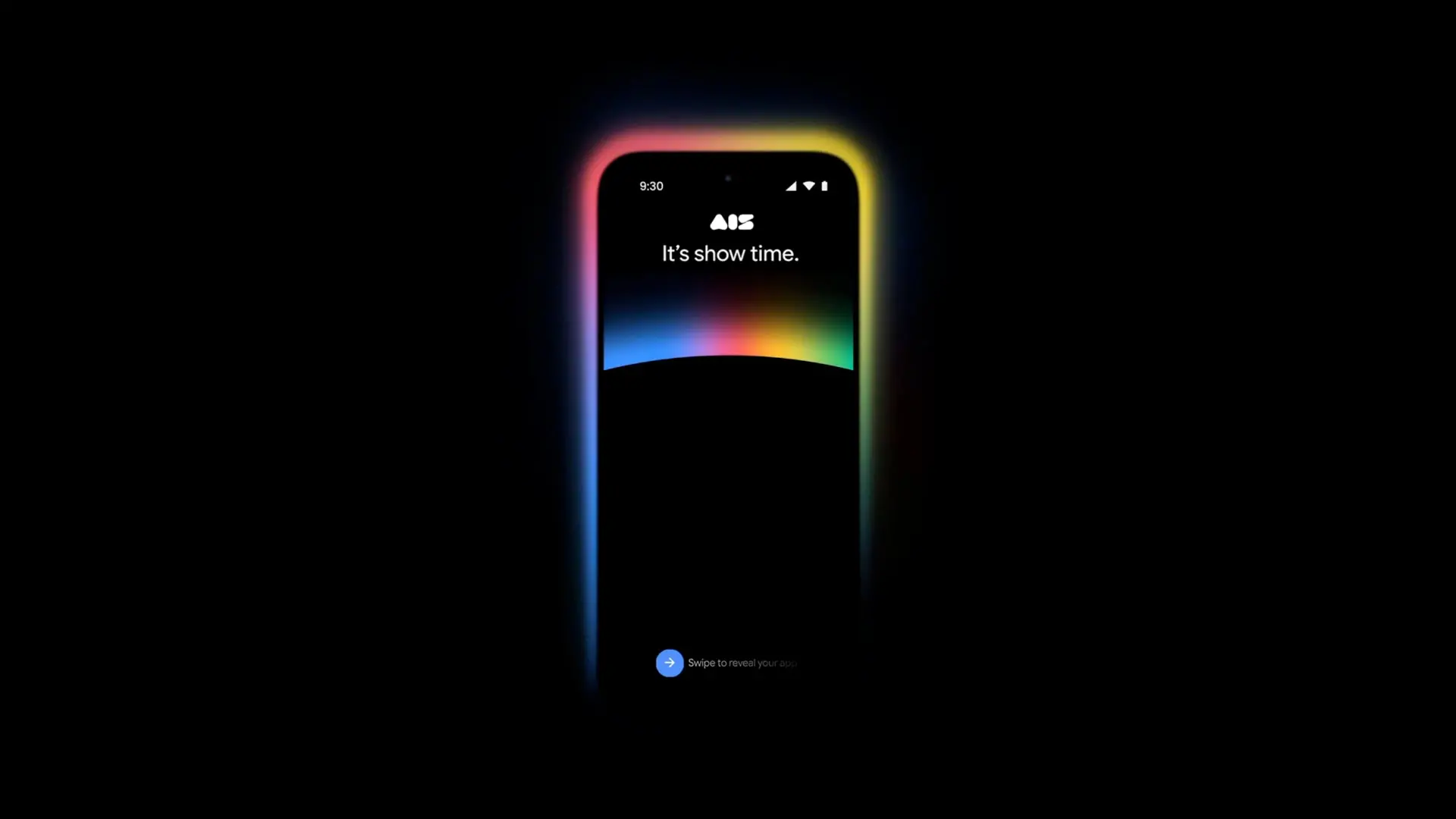
In a surprising turn of events, Google has officially canceled its standalone AI Studio mobile app before it ever reached users. The decision comes despite an overwhelming show of interest from the community, with approximately 800,000 people having pre-ordered the app across both Android and iOS. The tech giant announced the cancellation via a post on X (formerly Twitter) from the official Google AI Studio account, leaving many users wondering about the future of AI-powered app creation on mobile devices.
The AI Studio mobile app was originally announced in May, with the promise of letting creators and developers build, iterate, test, and even publish AI-powered applications directly from their smartphones. Google touted features like app remixing, cross-device project syncing, and a streamlined mobile-first interface designed to bring the power of AI Studio to on-the-go developers. The pre-order numbers suggested significant demand, with nearly a million users eagerly waiting to get their hands on the app. Yet, Google has decided to pull the plug, citing a desire to avoid asking users to install yet another standalone application.
According to the announcement, instead of shipping a separate AI Studio mobile app, Google will bring the platform's core capabilities directly into the Gemini app. The company stated that it is partnering with the Gemini app team to make this vision a reality across both mobile and desktop. This strategic pivot signals a broader consolidation within Google's AI ecosystem, as the company appears to be transforming Gemini into a central hub for all its AI-driven tools and services.
A closer look at the cancellation
The cancellation of AI Studio for mobile is notable for several reasons. First, it highlights the challenges technology companies face when deciding whether to launch multiple standalone apps or consolidate features into a single, more versatile platform. Google has long struggled with app fragmentation, having created and later discontinued numerous products that were once promoted as indispensable. The 'Google Graveyard' is a well-known phenomenon, and AI Studio now joins a long list of projects that were either killed before launch or merged into other offerings.
Second, the decision reflects the competitive pressure in the generative AI space. With rivals like OpenAI, Microsoft, and Anthropic aggressively expanding their platforms, Google seems to be working to unify its AI capabilities into a single, easily accessible product. Gemini already serves as the company's flagship AI assistant, and adding app-building features to it could make the assistant more powerful and useful for a wider range of users, from casual consumers to professional developers.
While the cancellation is disappointing for the 800,000 users who pre-registered, Google emphasizes that this is not the end of AI Studio's mobile ambitions. Rather, the underlying app-building experience will eventually arrive as part of Gemini on mobile. However, the company hasn't provided a timeline for when these features will appear, leaving developers and enthusiasts in a state of uncertainty.
What is Google AI Studio?
Google AI Studio is a web-based platform that allows users to try Google's latest generative AI models, including Gemini and other AI tools. It is designed to be an accessible entry point for developers and creators who want to experiment with prompt engineering, build prototypes, and explore the capabilities of Google's large language models. The platform offers a user-friendly interface, making it possible for even non-experts to leverage powerful AI without needing deep coding knowledge. Since its launch, AI Studio has grown steadily, gaining a dedicated audience of developers who use it to create everything from simple chatbots to complex AI-driven applications.
The original idea behind the AI Studio mobile app was to extend this functionality to smartphones and tablets. The mobile app was intended to allow developers to work on their AI projects while away from their desks, with features like cross-device syncing ensuring that a project started on a computer could be seamlessly continued on a phone. Additionally, the app was meant to support publishing directly from a mobile device, making it easier for creators to share their AI creations with the world.
However, Google appears to have reconsidered this strategy. Instead of maintaining a separate ecosystem for AI Studio, the company is now focusing on making Gemini a one-stop destination for all its AI services. This approach aligns with the broader industry trend of consolidating AI tools into comprehensive assistants rather than standalone apps. For example, OpenAI has integrated multiple features into ChatGPT, and Microsoft has been weaving AI capabilities into its existing products like Windows and Office.
What does this mean for developers and creators?
For the developers and creators who were eagerly anticipating the AI Studio mobile app, the news is bittersweet. On one hand, losing a dedicated mobile app might seem like a step backward. On the other hand, integrating these capabilities into Gemini could yield an even more powerful tool, especially given that Gemini is already built into Android and available as a standalone app on iOS. This integration could provide deeper systems-level access, better performance, and a more seamless experience across Google services.
Furthermore, by folding AI Studio into Gemini, Google may be able to offer a more cohesive workflow. Users could potentially design and test AI apps, publish them, and then manage them alongside other Gemini features such as chat, image generation, and voice assistance. This merger could also reduce the complexity for end users, who would not need to learn a separate interface for AI Studio. Instead, a single assistant could handle all their AI needs.
But there are also potential drawbacks. Some developers appreciated the dedicated, purpose-built environment of AI Studio, which offered specialized tools that might not be seamlessly replicated inside a general-purpose assistant. The specific features like app remixing and project syncing were designed with a developer-focused workflow in mind. If Gemini integration is not executed carefully, those tools could feel clunky or limited. Moreover, the lack of a timeline means that developers might not be able to plan their projects around the new integrated features.
Google's history of app consolidation
This is not the first time Google has made such a decision. The company has a long history of canceling products or merging them into other services. Notable examples include Google+, Google Allo, and Google Hangouts, all of which were sunset in favor of newer alternatives. More recently, Google Duo was shut down in favor of Google Meet, and Google Play Music was replaced by YouTube Music. In many cases, Google argued that consolidation allowed the company to focus on a smaller number of high-quality products rather than spreading its efforts too thin.
However, this strategy has also drawn criticism. Frequent cancellations can erode user trust, as people become hesitant to invest time in apps that might be discontinued. The 800,000 people who pre-ordered the AI Studio mobile app are a testament to the interest in the product, and those users might now feel let down. Google's official announcement did not detail whether pre-order users would be offered anything in return, such as early access to Gemini features or premium credits.
Still, the decision to integrate AI Studio into Gemini is arguably a wise move. Gemini is already a major part of Google's AI strategy, and making it the central hub for AI app creation could significantly boost its adoption and utility. By avoiding 'yet another app,' Google is acknowledging that users are tired of cluttered app stores and fragmented experiences. This approach is likely to appeal to a broader audience, including those who may not have considered installing a separate AI Studio app but are already using Gemini.
The role of Gemini in Google's AI ambitions
Gemini has become the face of Google's generative AI efforts. Since its launch, it has been integrated into Google Search, Android, and various productivity tools like Gmail and Docs. The AI assistant is designed to be helpful, approachable, and highly capable, with the ability to understand and generate text, images, and other content. By bringing AI Studio's capabilities into Gemini, Google is doubling down on the idea that a single AI assistant can serve as the infrastructure for both consumption and creation.
This move also positions Gemini to compete more directly with OpenAI's ChatGPT, which has become a leading platform for AI experimentation and app development. ChatGPT already allows users to create custom GPTs, and now Google is working on a similar feature within Gemini. The integration could give Google a competitive edge by offering a seamless experience that spans mobile and desktop, with native access to Google's ecosystem.
As of now, Google has not announced a specific timeframe for bringing AI Studio's app creation tools to the Gemini app. The company said its teams are working hard on 'bringing this to life' and that more details will be shared later. In the meantime, the AI Studio web experience will continue to grow and evolve, and users can still access AI Studio through their browsers. Those who pre-registered for the mobile app were notified of the change, but Google did not provide further instructions on how to access the integrated features in the future.
The news has sparked a conversation about the future of mobile app development and the growing dominance of AI assistants. Many believe that integrating AI app creation into a single assistant is a logical step forward, as it reduces friction for users and developers alike. Others, however, are concerned about the risk of overloading Gemini with too many features, which could hinder its performance or usability.
For now, the cancellation of the standalone AI Studio mobile app marks another chapter in Google's evolving approach to AI. It remains to be seen how the integration into Gemini will unfold and whether it will meet the high expectations of the 800,000 users who were ready to adopt the standalone app. What is clear is that Google is committed to streamlining its AI offerings, and Gemini is at the center of that strategy. The company will need to walk a fine line between providing powerful, specialized tools and maintaining a clean, accessible user experience. With the web-based AI Studio still available and Gemini on the rise, the future of AI app creation on mobile may look very different than originally planned, but it is likely to be more integrated across all of Google's services.
Source:Android Authority News