

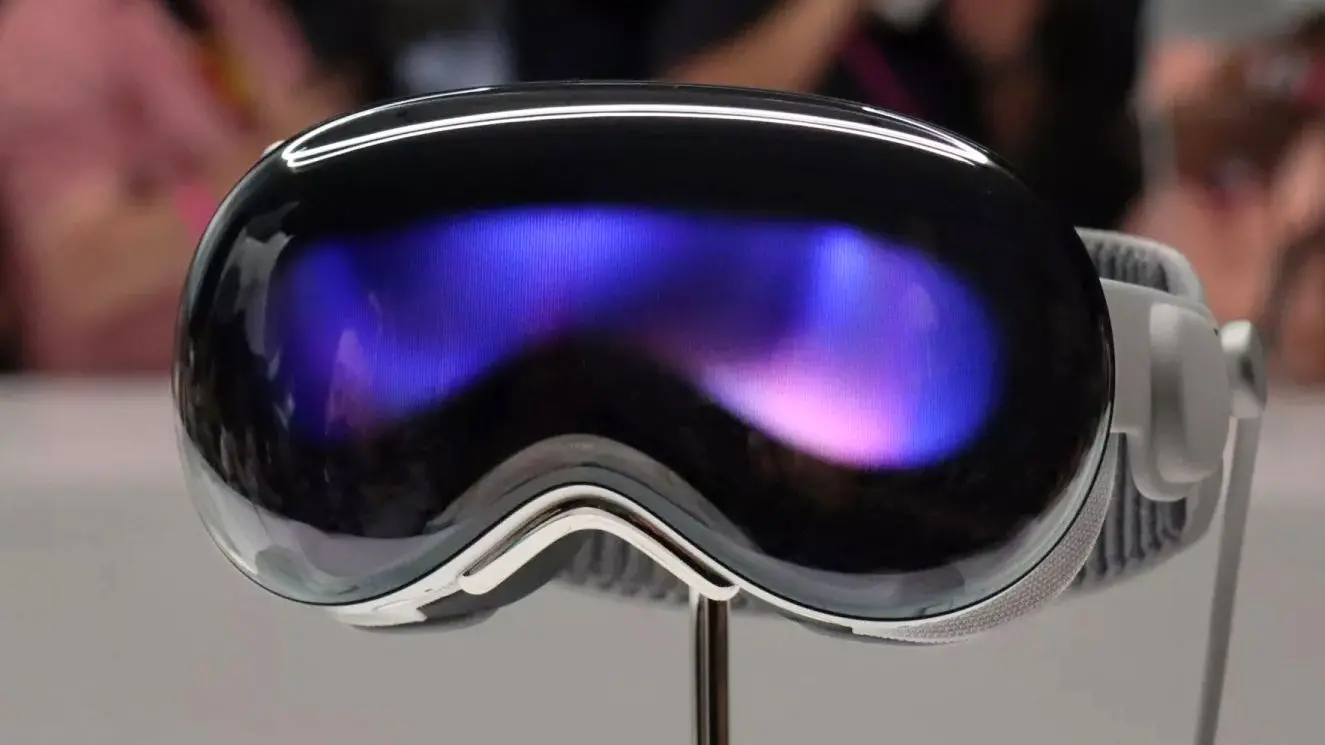
Virtual reality (VR) and augmented reality (AR) have moved from the fringes of technology to the mainstream, promising to transform how we interact with digital content and the physical world. While both are often mentioned together, they offer distinct experiences. VR immerses users in a fully digital environment, isolating them from the real world. AR overlays digital elements onto the real world, enhancing what we see, hear, and feel. Together, they are collectively called extended reality (XR), and their impact is being felt across industries ranging from entertainment to medicine.
The Evolution of VR and AR
The concept of virtual reality dates back to the 1960s, when computer scientist Ivan Sutherland created the first head-mounted display system, nicknamed the "Sword of Damocles." This primitive device was heavy and tethered to a computer, but it laid the groundwork for decades of innovation. In the 1980s and 1990s, companies like VPL Research and Sega attempted to bring VR to consumers, but limitations in processing power and display technology made these early systems impractical and expensive.
Augmented reality has a similarly long history. The term was coined in 1990 by Boeing researcher Tom Caudell, who developed a head-mounted display to help workers assemble wiring harnesses. However, AR truly entered the public consciousness in 2016 with the release of Pokémon GO, a mobile game that placed digital creatures in real-world locations using GPS and camera technology. This phenomenon demonstrated the mass-market appeal of AR and sparked a wave of investment in the field.
In recent years, both technologies have advanced rapidly thanks to improvements in displays, sensors, and artificial intelligence. Modern VR headsets like the Meta Quest and PlayStation VR offer wireless, high-resolution experiences at increasingly affordable prices. AR is being integrated into smartphones and smart glasses, and companies like Microsoft and Apple are investing heavily in mixed reality devices that combine elements of both.
Key Differences Between VR and AR
Understanding the distinction between VR and AR is essential. VR creates a completely computer-generated environment that replaces the user&39;s real-world surroundings. Users wear a headset that covers their eyes and often use handheld controllers or gloves to interact with the virtual space. This immersion is valuable for simulations, training, and entertainment.
AR, on the other hand, overlays digital information onto the real world. It typically uses a smartphone camera or smart glasses to display text, images, or 3D models in the user&39;s field of view. AR does not replace reality; it enhances it. For example, IKEA&39;s app lets customers place virtual furniture in their homes to see how it looks before buying. Both technologies share underlying components, such as sensors, cameras, and processing units, but their end goals are different: one transports you elsewhere, the other brings digital data into your environment.
Hardware Advancements Driving Adoption
The success of VR and AR depends heavily on hardware. Early VR headsets suffered from motion sickness and low resolution due to lag and poor tracking. Today&39;s devices use inside-out tracking, which uses cameras on the headset to map the environment without external sensors. This makes setup easier and increases accessibility. Display technology has also improved, with higher refresh rates and higher resolutions reducing eye strain.
Augmented reality hardware is still evolving. While smartphone-based AR is widely available, true AR glasses remain a challenge. Companies like Google, Microsoft, and Magic Leap have released developer editions, but consumer-ready products have yet to achieve widespread adoption. The difficulty lies in creating lightweight, stylish glasses with long battery life and a wide field of view. However, advances in micro-LED displays and waveguide optics are bringing us closer to that goal.
Gaming and Entertainment
The entertainment industry has been the primary driver of VR adoption. Games like Half-Life: Alyx and Beat Saber have shown that VR can deliver compelling, immersive experiences that are impossible on traditional screens. VR arcades and theme parks are also becoming popular, offering high-end experiences that consumers cannot yet afford at home.
AR is transforming live events and broadcasts. For example, the NFL uses AR to overlay virtual lines and player statistics on television screens. Film studios use AR for immersive marketing campaigns, and augmented reality concerts allow fans to enjoy performances from their living rooms. The global gaming market for VR and AR is projected to grow significantly, with revenues expected to reach billions of dollars in the coming years.
Healthcare and Medical Training
Beyond entertainment, VR and AR are making a profound impact on healthcare. Surgeons use VR headsets to practice complex procedures in a risk-free environment. Medical students can explore anatomical structures in 3D, gaining a deeper understanding than from textbooks alone. AR is used during surgery to overlay patient data, such as CT scans, onto the surgeon&39;s field of view, improving precision and reducing errors.
VR is also being used in therapy and rehabilitation. Patients with post-traumatic stress disorder (PTSD) can undergo exposure therapy in a controlled virtual setting. Stroke victims use VR exercises to regain motor function, and chronic pain patients use distraction techniques based on immersive environments. These applications demonstrate the power of immersive technology to improve lives beyond gaming.
Education and Training
Education is another sector ripe for disruption. VR allows students to take virtual field trips to historical sites, explore the solar system, or dive into the human bloodstream. AR textbooks can turn static diagrams into interactive 3D models, making abstract concepts more tangible. In corporate training, VR simulations are used to teach employees how to handle dangerous situations, such as fires or equipment failures, without real-world risks.
Language learning apps are incorporating AR to label objects in the real world, and virtual classrooms enable remote students to feel present with their peers. While the initial cost of equipment can be a barrier, the potential for democratizing education is enormous. As costs decrease, more schools and universities are expected to adopt these tools.
Retail and E-Commerce
Retailers are using AR to bridge the gap between online and physical shopping. Virtual try-on tools let customers see how glasses, makeup, or clothing look before purchasing. Furniture stores allow shoppers to place virtual items in their homes, reducing the likelihood of returns. AR mirrors in physical stores can show different outfits without changing clothes.
VR is being used to create virtual showrooms where customers can browse products in a realistic environment. Automotive companies, for example, let customers configure and explore a car in VR before visiting a dealership. These technologies enhance customer engagement and can lead to higher conversion rates and reduced return rates.
Manufacturing and Industry
In manufacturing, AR glasses can provide workers with real-time instructions, schematics, and warnings, improving efficiency and safety. Technicians can see step-by-step guidance overlaid on equipment, reducing training time and errors. VR is used for virtual prototyping, allowing engineers to test designs without building physical models.
Logistics companies use AR for warehouse navigation and package scanning. Boeing and other aerospace firms have reported significant time savings and fewer defects when using AR for assembly tasks. The industrial sector is expected to be one of the largest markets for AR, driven by the need for greater productivity and the declining cost of hardware.
Challenges and Limitations
Despite the promise, several challenges remain. High-quality VR headsets are still expensive, though prices are dropping. AR glasses face technological hurdles, including battery life, display brightness, and social acceptability. There are also concerns about privacy, as cameras and sensors collect data about users and their environments.
Health and safety issues, such as motion sickness and eye strain, need to be addressed. Content creation for VR is time-consuming and costly, limiting the variety of available applications. Standardization is another issue, as different platforms and devices often require separate development efforts. Finally, the "metaverse" concept, which relies on interoperable virtual spaces, is still in its infancy, and it is unclear which platforms will dominate.
The Future of Immersive Technology
Looking ahead, the lines between VR, AR, and the physical world will continue to blur. Advances in 5G connectivity will enable more powerful, cloud-rendered experiences. Artificial intelligence will make virtual assistants more responsive and realistic. We can expect lighter, more comfortable headsets with higher resolution and eye-tracking, which will improve both immersion and usability.
Augmented reality is likely to become more integrated into daily life through smart glasses, replacing smartphones for some functions. Eventually, devices may resemble ordinary eyeglasses, offering seamless access to information. In the workplace, collaboration tools will allow teams to interact with shared 3D models as if they were in the same room, regardless of physical location.
The economic potential is massive, with forecasts suggesting the global XR market will surpass hundreds of billions of dollars by the end of the decade. As the technology matures, it will become more accessible, and new use cases will emerge that we cannot yet imagine. The journey of VR and AR is just beginning, and the next decade will likely be pivotal.
Source:TechRadar News