

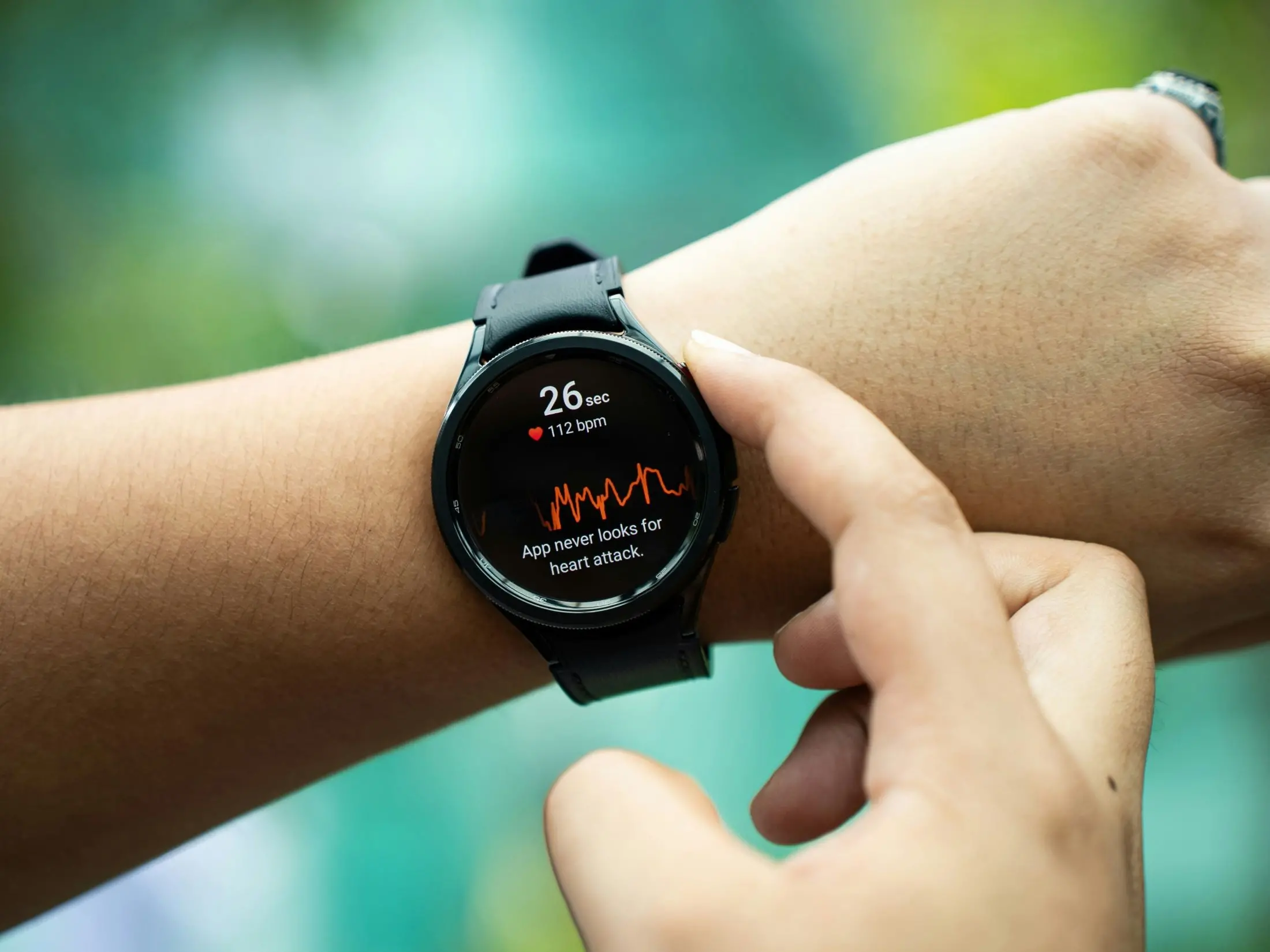
Samsung Electronics has introduced a new generation of artificial intelligence models within Samsung Health that are specifically designed to analyse biosignal data collected from wearable devices. The move signals a major step forward in the company's broader digital health strategy, which seeks to turn raw physiological signals into meaningful, actionable insights for everyday users. By leveraging AI to interpret data such as heart rate, heart rate variability, sleep patterns, and stress indicators, Samsung aims to offer a more holistic view of individual health and wellness.
Understanding Biosignal Data in Wearables
Modern wearable devices, including smartwatches and fitness bands, are equipped with an array of sensors that continuously capture physiological signals. These include photoplethysmography sensors for measuring blood flow, accelerometers for tracking movement, and electrodes for detecting electrical activity in the heart. The data collected by these sensors can reveal a great deal about a person's cardiovascular health, autonomic nervous system function, and even their sleep architecture. However, raw biosignal data is often noisy and complex, making it difficult to interpret without advanced processing techniques.
This is where artificial intelligence plays a crucial role. Traditional health tracking often relied on simple thresholds and rule-based algorithms. For example, a heart rate above a certain number during exercise might trigger a warning, or a drop in movement might be interpreted as sleep. AI models, by contrast, can learn from large datasets and identify subtle patterns that humans or conventional algorithms might miss. They can also account for individual variability, making predictions and recommendations more personalised over time.
The Role of AI in Samsung Health
Samsung's new AI models are built to operate directly on wearable devices or in conjunction with the Samsung Health app. This approach supports real-time analysis and reduces the need to send sensitive health data to the cloud. On-device processing also improves responsiveness and enhances privacy, which is a growing concern for users who are wary about sharing personal health information with third parties.
The AI models are trained to handle a range of biosignal inputs. For instance, heart rate data taken during rest or exercise can be used to estimate cardiorespiratory fitness. Heart rate variability, which measures the variation in time between successive heartbeats, can provide insights into stress and recovery. Sleep data, including the duration and quality of different sleep stages, can be analysed to generate sleep scores and personalised recommendations for improving rest.
Samsung has been steadily expanding the capabilities of Samsung Health over the past several years. The app already supports features such as blood oxygen monitoring, electrocardiogram readings, and body composition analysis. The introduction of AI models has the potential to tie these disparate data points together into a more cohesive picture of a user's health. Instead of simply displaying raw numbers and charts, the app can offer contextual explanations and guidance based on the overall data trends.
Key Technical Innovations
One of the key innovations highlighted by Samsung is the use of deep learning models to process biosignal data. Deep learning is a subset of machine learning that employs neural networks with multiple layers to model complex relationships in data. In the context of wearable health monitoring, deep learning can be used to detect abnormalities in heart rhythms, classify sleep stages, and even predict potential health issues before they become symptomatic.
For example, atrial fibrillation, a common heart rhythm disorder, can be detected by analysing the irregularity of heartbeats over time. AI models can be trained to recognize the subtle patterns associated with this condition, alerting users to seek medical advice. Similarly, sleep apnea, which involves interrupted breathing during sleep, may be identified through patterns in blood oxygen saturation and heart rate variability. Early detection of such conditions can lead to more timely intervention and better health outcomes.
Another important aspect is the personalisation of health recommendations. Every person has a unique baseline for vital signs and activity levels. AI models can be calibrated to an individual's historical data, so deviations from the norm become more meaningful. For instance, a heart rate that is elevated during the night might be negligible for one person but significant for another. By learning these personal baselines, the AI can provide more relevant alerts and suggestions.
Expanding Horizons: Beyond Heart and Sleep
While much of the focus has been on cardiovascular and sleep monitoring, Samsung's AI models may also extend to other areas such as stress management, women's health, and metabolic wellness. The company has been exploring ways to use sensor data to estimate blood pressure, which would be particularly valuable for people with hypertension. Blood pressure estimation typically requires a cuff, but researchers have been developing algorithms that use pulse transit time and other biosignals to approximate blood pressure non-invasively.
Stress detection is another promising area. By analysing heart rate variability, skin conductance, and skin temperature, AI can infer when a person is experiencing high levels of stress. The Samsung Health app could then suggest breathing exercises, guided meditation, or other relaxation techniques to help the user manage their stress response in real time. This kind of proactive wellbeing support aligns with the broader industry trend of using wearables as daily health companions rather than just fitness trackers.
Privacy and Security Considerations
As Samsung expands the role of AI in health monitoring, privacy and security remain at the forefront. The company has stated that it is committed to transparency and user control over health data. Users are typically asked to provide consent for specific data processing activities, and they can revoke access at any time. Data encryption is used to protect information during transmission and storage, whether it resides on the device or in Samsung's cloud services.
The European Union's General Data Protection Regulation and similar laws in other regions require companies to implement strict data protection measures. Samsung has been working to ensure compliance with these regulations while still delivering useful AI-driven features. The shift toward on-device processing is partly motivated by these regulatory considerations, but it also makes practical sense for reducing latency and preserving battery life on wearable devices.
There are also ethical considerations regarding how AI-generated health insights are presented to users. AI models are not infallible, and there is a risk of false positives or false negatives, especially when data quality is poor. Samsung has emphasised that its health features are designed for informational and wellness purposes and should not be used as a substitute for professional medical advice. However, the company also recognises that users may rely on these insights for daily decisions, which is why ongoing efforts are made to validate the accuracy of its algorithms.
Market Context and Competition
Samsung is not alone in adopting AI for biosignal analysis. Other major technology companies, such as Apple and Google, have also invested heavily in wearable health features. Apple Watch includes an electrocardiogram sensor and has gained regulatory clearance for detecting irregular heart rhythms. Google's Fitbit devices offer sleep tracking and stress management scores, powered by machine learning models.
In this competitive landscape, Samsung is leveraging its vertically integrated approach, combining hardware design, sensor development, and software algorithms. The company also benefits from the broad ecosystem of Galaxy devices, which allows seamless data synchronisation across smartphones, tablets, and wearables. Samsung Health is compatible with a wide range of devices, which makes it accessible to a large user base beyond those who own Samsung products.
The global market for AI in healthcare is expected to grow significantly in the coming years. With increasing awareness of preventive health and remote patient monitoring, wearable devices are poised to play a central role in health management. AI models that can reliably interpret biosignals will be essential for unlocking the full potential of these devices.
Integration with Medical Research
Samsung has also expressed interest in collaborating with the medical and research communities. By making anonymized data available for research purposes, the company could help scientists develop new insights into health and disease. However, such initiatives must balance scientific progress with privacy protections. Samsung has typically sought explicit user consent for any data sharing and ensures that researchers do not receive personally identifiable information.
The use of AI in medical research is already widespread. Algorithms are being used to screen retinal images for diabetic retinopathy, analyse radiology scans for malignancies, and predict patient deterioration in hospitals. Wearable biosignal data offers an additional layer of information that reflects a person's health in real-world settings. The integration of these data streams with electronic health records could lead to more comprehensive models of population health.
The Future of AI-Powered Health Tracking
Looking ahead, Samsung's AI models are likely to become more sophisticated as more data is collected and new sensors are developed. Future wearables might include additional biosensors for measuring blood glucose, lactate, or even stress-related hormones. The ability to analyse multiple biomarkers simultaneously could enable earlier detection of disease and more effective management of chronic conditions.
Battery life and sensor accuracy will continue to be important considerations. AI models need to be energy-efficient to run continuously on small devices. Advances in low-power chip design, such as Samsung's own Exynos processors, are helping to make this possible.
Another area of development is the user interface. Instead of presenting users with a list of statistics, Samsung Health may eventually use conversational AI assistants to explain health data in plain language. For example, the assistant might say, "Your sleep quality improved by 10% this week, and your resting heart rate has decreased, indicating improved recovery." This kind of personalised explanation could make health data more accessible to people without a technical background.
The ultimate goal is to create a proactive health companion that not only tracks metrics but also genuinely supports users in achieving their wellness goals. Whether that means encouraging more physical activity, suggesting better sleep habits, or helping manage stress, the combination of wearable biosensors and AI models is a powerful tool in the effort to improve public health.
Potential Challenges and Limitations
Despite the promise of AI-powered health analysis, there are challenges that remain. One issue is the generalisability of AI models across different populations. Most training data is collected from volunteer participants who may not be representative of the global population. Models trained primarily on healthy younger adults may not perform as well on older individuals or those with chronic conditions. Samsung is likely aware of this limitation, and ongoing validation studies are necessary to ensure equitable performance.
Another challenge is user adherence. Many people use wearables for a few months and then stop wearing them. For AI models to be truly effective, they need sufficient continuous data. Samsung has attempted to increase engagement through gamification, social sharing, and personalised coaching, which may help users stay committed to monitoring their health.
Interpretability is also a concern. Because deep learning models are often described as black boxes, it can be difficult to understand why they make certain recommendations. In the medical field, this is a significant barrier to adoption. To address this, researchers are working on explainable AI methods that provide justifications for each prediction. Samsung may incorporate such methods into future versions of Samsung Health to build user trust and meet regulatory requirements.
Finally, the accuracy of consumer-grade sensors is inherently lower than that of clinical-grade equipment. While photoplethysmography sensors are effective for measuring heart rate, they can be affected by motion artifacts, skin tone, and contact pressure. Continuous improvement in sensor design and signal processing algorithms is essential to reduce these errors and make the data reliable enough for healthcare decisions.
Nevertheless, the introduction of AI models that analyse wearable biosignal data marks an important milestone for Samsung Health. It reflects a broader shift in the technology industry from simple data collection to intelligent interpretation. As the technology matures, users can expect more personalized, preventive, and actionable health insights that were previously available only through professional medical testing.
Source:AI News News