

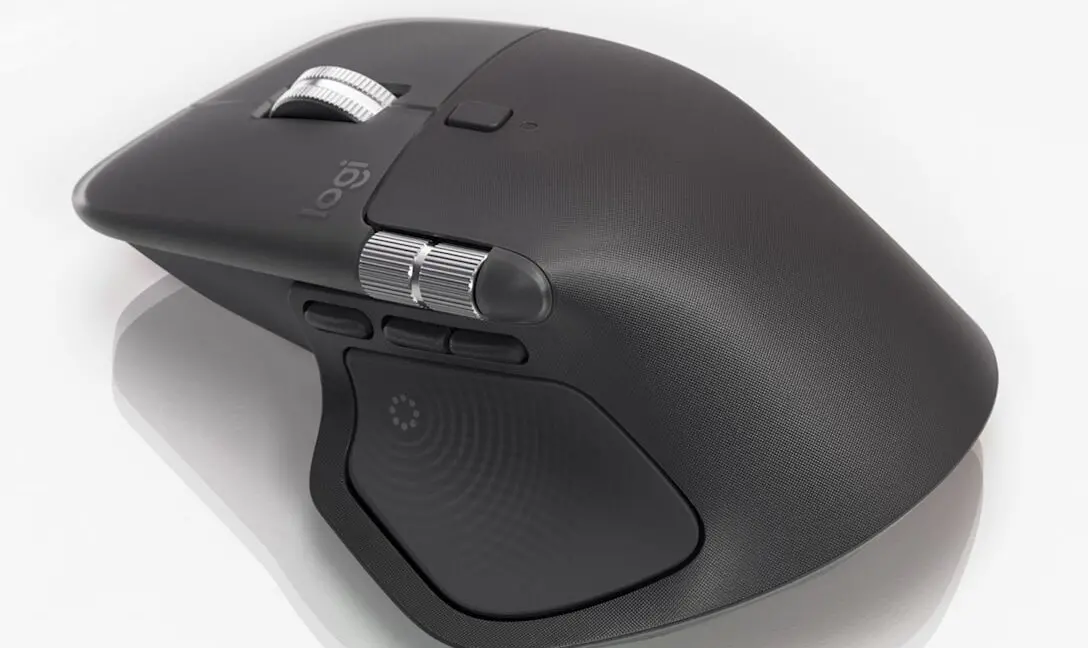
Logitech is facing a proposed class action lawsuit over its failure to pass tariff refunds to customers. The complaint, filed Tuesday in the US District Court for the Northern District of California, San Jose Division, accuses the computer peripherals maker of pocketing price increases that were justified by tariffs later declared illegal. The plaintiffs, SJK Development and California resident Ala Awadalla, claim Logitech collected millions in refunds from the federal government while leaving consumers to pay the higher costs.
The lawsuit centers on price hikes Logitech enacted in April 2025. At the time, the company raised prices on 51 percent of its product portfolio, with some items climbing by as much as 25 percent. These increases were attributed to tariffs imposed under the International Emergency Economic Powers Act (IEEPA) by the Trump administration. In February 2025, the Supreme Court ruled that those tariffs were unlawful because they exceeded presidential authority under the act. The decision opened the door for companies to seek refunds of duties paid, and many did so.
Logitech did not publicly announce the price increases, but the company's executives discussed them during investor calls. The complaint highlights an earnings call in May, during which Chief Financial Officer Matteo Anversa said, "The positive impact of the US price actions and favorable foreign exchange more than offset the impact of tariffs and higher promotions." That call covered Logitech's fiscal Q4 2026, a period Anversa described as "the highest level of profitability in the history of the company outside of the COVID peak."
Double recovery alleged
The plaintiffs argue that Logitech has now recovered the tariffs from the government but has not passed the money back to customers. According to the complaint, Logitech "received a full refund of $61 million for the tariffs invalidated by the Supreme Court, including $15 million during the first quarter of fiscal year 2027 and $46 million subsequent to quarter end." The complaint further states that without court intervention, Logitech "has been—and absent relief will continue to be—enriched twice over at its customers' expense: once by the tariff-justified overcharges collected from Plaintiffs and the Class, and again by the government's refund, with interest, of the very duties those overcharges were represented to cover."
The lawsuit seeks a declaratory judgment that Logitech must return IEEPA tariff refund proceeds to customers. The plaintiffs also ask for restitution and disgorgement of profits, arguing that the company benefited unfairly at the expense of everyday buyers. They contend that had Logitech not inflated its prices in the name of the unlawful tariffs, they would have paid less for identical mice and other peripherals.
Legal context and precedent
The case against Logitech is part of a broader wave of litigation targeting consumer technology companies. Microsoft, Nintendo, and Sony have all faced similar lawsuits from customers seeking shares of tariff refunds. These companies paid import duties on hardware such as consoles and accessories, then passed the costs to consumers through price hikes. When the Supreme Court invalidated the IEEPA tariffs, the federal government began refunding the duties, but the companies did not automatically return the extra money they had collected from customers.
The legal theory behind these lawsuits is that consumers are the true parties who bore the financial burden of the tariffs. Lawyers argue that when a company raises prices solely to offset a tariff, that price increase is effectively a pass-through of the tariff to the customer. Therefore, when the tariff is refunded, the refund should flow back to those who paid it, not remain in the corporate coffers.
Defendants have pushed back. Nintendo, for example, has argued that customers "received exactly what they paid for" and that there is not "anything 'unjust' about Nintendo retaining money that it may receive from the government as tariff refunds." Nintendo has also moved to compel arbitration, citing its end-user license agreement. Logitech may pursue a similar strategy, as its own licensing agreements include arbitration clauses. The outcome of these early motions could shape whether the cases proceed to class certification and trial.
Logitech's financial position
Logitech's decision to raise prices in April 2025 came as the company navigated a climate of trade uncertainty. The company, known for its mice, keyboards, webcams, and video conferencing gear, sources many components from overseas, particularly China. Tariffs threatened to erode margins, so the company shifted costs to consumers. But the Supreme Court's intervention changed the calculus. In early 2025, the Court ruled that the Trump administration had overstepped its authority by using IEEPA to impose sweeping tariffs without congressional approval. That ruling invalidated the tariffs retroactively enough to allow refunds for certain imports.
Logitech's current financial health is robust. The company reported strong quarterly earnings, with profitability nearing levels not seen since the pandemic-era boom in remote work. The CFO's comments during the May call revealed that U.S. price actions more than covered any tariff-related costs. That admission has become central to the lawsuit, as it suggests the price increases were not merely a neutral offset but a profitable adjustment that left consumers shouldering the burden.
What this means for consumers
For consumers, the lawsuit raises a question of fairness: when a government refunds a tax or tariff that a company passed on to its customers, who should receive the money? In ordinary sales tax scenarios, the answer is clear—the consumer pays the tax and receives the refund. Tariffs are less straightforward because they are levied on the importer, not the end buyer. However, when companies adjust prices specifically to account for tariffs, they create an implicit promise that the extra charge is not pure profit but a necessary surcharge. The plaintiff's attorneys argue that Logitech's internal communications and public investor statements demonstrate that price hikes were directly tied to tariffs, making the surcharge identifiable.
The proposed class includes all U.S. individuals and entities who bought Logitech products subject to these price increases during the period when the IEEPA tariffs were in effect. The class period spans from the tariff's imposition until their invalidation. If certified, the class could include millions of consumers, though individual damages might be modest for those who bought a single mouse or keyboard. Still, aggregate damages could be substantial, especially if Logitech must hand over the full $61 million refund plus interest.
Potential challenges
Logitech faces several possible defenses. First, the company may argue that its price increases were not solely due to tariffs. Other factors, such as inflation, supply chain disruptions, and currency fluctuation, also influence pricing. The CFO's remarks, however, weaken this argument by claiming that price actions "more than offset" tariff impacts, suggesting that tariffs were a primary reason for the hikes.
Second, Logitech may attempt to compel arbitration based on its licensing agreements. Many such agreements include clauses that waive class action participation. If the court compels arbitration, individual claims would proceed separately, likely making it impractical for most consumers to pursue a small refund. The plaintiffs' attorneys would need to convince the judge that this case should remain in class action form despite such clauses.
Third, the company may argue that it is not obligated to refund customers because it has no contractual relationship with the federal government regarding tariffs. The refunds were paid to Logitech as the importer of record, and the company is under no direct legal obligation to disgorge those funds. The plaintiffs' legal team would then rely on principles of equitable restitution and unjust enrichment, which allow courts to require a party to return money it obtained at the expense of another when it would be unfair to keep it.
A developing legal landscape
This lawsuit is one of many that could reshape how companies handle tariff refunds. The outcome may also influence how businesses communicate future tariff-related price hikes. If courts side with consumers, companies may need to separate tariff surcharges from base price increases, making it easier to trace and refund them if tariffs later prove invalid. If courts side with companies, consumers may have no recourse when a government refund gives a corporate windfall.
Logitech has not yet responded to the allegations. The company also faces pending arbitration motions in other jurisdictions, so the procedural trajectory in this case is still unclear. The court will need to address whether the plaintiffs can sue as a class, whether arbitration clauses apply, and ultimately whether Logitech must share its tariff refund with its customers. No hearings have been scheduled yet.
The plaintiffs' request for a declaratory judgment would lay down a legal rule that a company cannot keep both the tariff refund and the extra money it demanded from consumers. As the case progresses, it may produce precedent that either reinforces or rejects the right of consumers to recoup tariff-related price increases. The decision could carry broader implications for global supply chains and pricing strategies, especially if future administrations again attempt to use IEEPA to impose tariffs. For now, Logitech customers are watching to see whether the company will voluntarily issue refunds or fight the lawsuit in court.
Source:Ars Technica News