
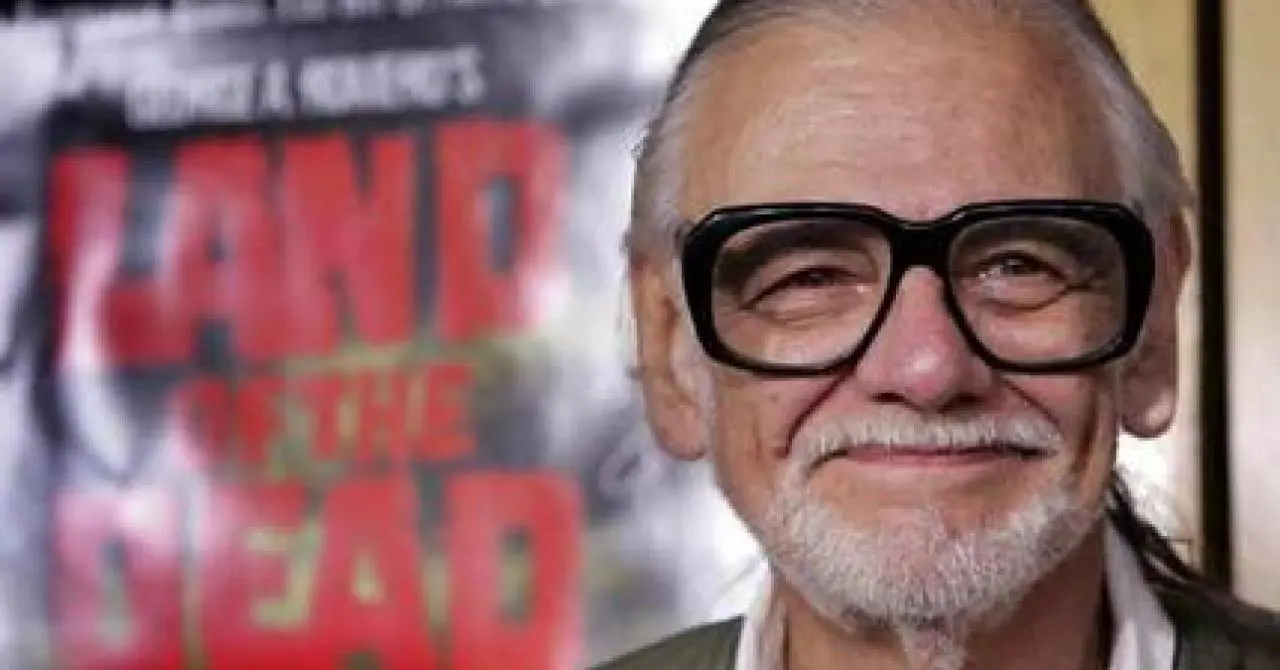
George A. Romero is widely regarded as the father of the modern zombie genre. Born on February 4, 1940, in New York City, he grew up fascinated by comic books, movies, and television. After studying at Carnegie Mellon University, he began making short films and commercials. In 1968, he co-wrote and directed Night of the Living Dead, a low-budget independent film that shocked audiences and changed horror forever.
The film introduced the slow, shambling, flesh-eating zombie archetype, but it also carried potent social commentary. The lead protagonist, Ben, was an African-American man—a radical choice for the time. The film's ending, where he survives the zombies only to be shot by a redneck posse, offered a bleak critique of racism and Cold War paranoia. Night of the Living Dead became a cult hit and grossed over $30 million worldwide on a budget of just $114,000.
The Dead Series and Beyond
Romero followed up with Dawn of the Dead (1978), set in a shopping mall. The film uses the mall as a symbol of consumerism and excess. The zombies mindlessly gravitate toward the mall, mirroring the hollow pursuit of material goods in American society. Dawn of the Dead was both a critical and commercial success, cementing Romero's reputation.
Day of the Dead (1985) took a darker turn, focusing on a group of scientists and soldiers in an underground bunker. The film explores tensions between rational science and brute force, ending in despair. While initially less successful, it has since been reappraised as a masterpiece of apocalyptic horror.
The series continued with Land of the Dead (2005), Diary of the Dead (2007), and Survival of the Dead (2009). Each film updated the social commentary: Land of the Dead targets class and wealth inequality; Diary of the Dead critiques media and surveillance culture; Survival of the Dead examines tribal conflicts.
Romero's Influence on Horror
Romero didn't just create zombies; he used them as vehicles for satire. His films influenced countless directors, including John Carpenter, Guillermo del Toro, and Zack Snyder. The modern zombie craze—from The Walking Dead to World War Z—owes its existence to Romero's vision.
Beyond zombies, Romero directed non-zombie films like The Crazies (1973), Martin (1978), and Knightriders (1981). Martin is a psychological vampire story, while Knightriders features a traveling Renaissance-fair group. Both showcase his versatility.
Romero also worked as a producer and writer, contributing to Stephen King adaptations like Creepshow (1982). He founded his own production company, Laurel Entertainment, to maintain creative control. His DIY ethos inspired a generation of independent filmmakers.
In his later years, Romero taught at the University of Toronto and consulted on video games like Resident Evil. He died on July 16, 2017, at age 77, after a battle with lung cancer. His legacy remains alive through the zombie subgenre he almost single-handedly invented.
Key Facts and Career Highlights
- Born: February 4, 1940, New York City
- Died: July 16, 2017, Toronto, Canada
- Notable films: Night of the Living Dead, Dawn of the Dead, Day of the Dead, Land of the Dead, Martin, The Crazies
- Awards: Saturn Award for Best Director, Sitges Film Festival honors, star on the Hollywood Walk of Fame
- Influence: Created the modern zombie archetype; influenced The Walking Dead, 28 Days Later, World War Z
- Social commentary: His films tackle racism, consumerism, militarism, class conflict, and media manipulation
Technical Innovations
Romero's filmmaking style emphasized realism and gore for shock value, but he also employed innovative editing and sound design. Night of the Living Dead used black-and-white cinematography to enhance claustrophobia. Dawn of the Dead featured extended tracking shots through the mall. He often cast unknown actors, giving the films a raw, documentary-like feel.
Romero's use of practical effects, especially by makeup artist Tom Savini, set a new standard for horror. The squibs, prosthetics, and blood packs became iconic. Savini's work on Dawn of the Dead and Day of the Dead influenced countless makeup artists.
Legacy and Cultural Impact
Romero's zombies evolved over time: from the slow, mindless ghouls of the 1960s to more complex undead in later films. However, Romero always insisted that zombies were never the real monsters; humans were. This theme resonates strongly today, as global crises like pandemics and social unrest echo his cinematic warnings.
The Walking Dead creator Robert Kirkman publicly credited Romero as a major inspiration. The comic and TV series have spawned a massive franchise, further cementing Romero's place in pop culture. Romero's films are routinely studied in film schools for their thematic depth.
George Romero's untimely death left many projects unfinished, but his body of work continues to terrify and enlighten. His art was never just about scares—it was a mirror held up to society, forcing us to confront our own humanity. And that is why his horror remains timeless.
Source:Premiere.fr News