

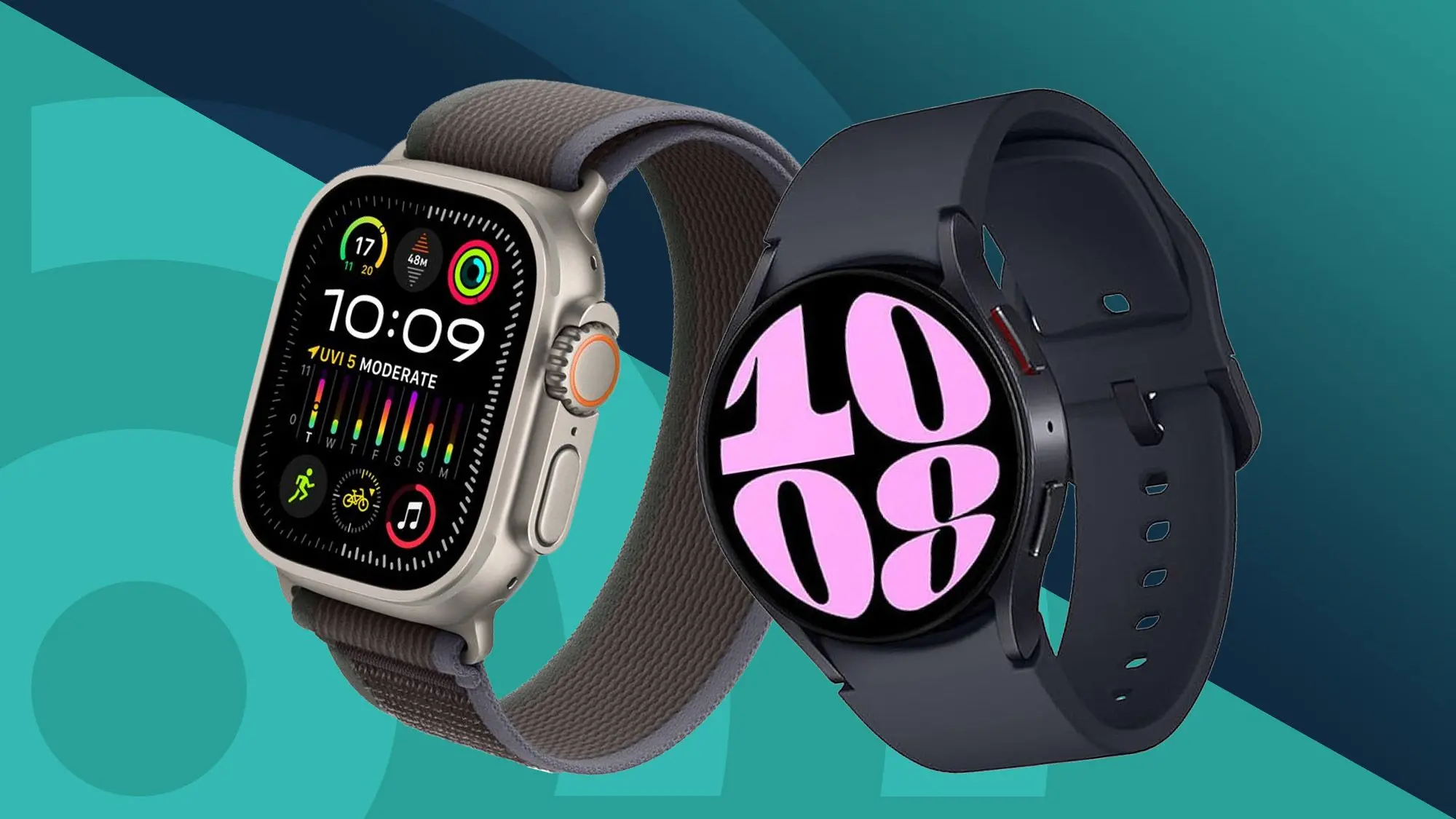
The smartwatch industry has evolved dramatically since its inception, and 2026 represents a pinnacle of innovation, where wearables have become indispensable health companions, productivity tools, and fashion statements. With dozens of models flooding the market, choosing the right one can be overwhelming. This article breaks down the best smartwatches available in 2026, assessing their strengths in health tracking, battery performance, ecosystem integration, and overall value.
How We Evaluated the Best Smartwatches
Our team of tech analysts and fitness enthusiasts spent weeks testing the latest releases in real-world conditions. We evaluated each device on five core criteria: health and fitness accuracy, smart features (notifications, apps, voice assistants), display quality, battery life under typical usage, and price-to-performance ratio. Additionally, we considered ecosystem compatibility—whether the watch works seamlessly with iOS, Android, or both—and future-proofing through software support.
Apple Watch Series X (2026)
Apple remains the dominant force in the smartwatch market, and the Series X—released in late 2025—continues that legacy. Featuring a microLED display that delivers stunning brightness and efficiency, the watch offers up to 72 hours of battery life in standard mode, a massive leap from previous generations. Health sensors now include non-invasive glucose monitoring (FDA-cleared) and a new sleep apnea detection algorithm validated by clinical studies. The S10 chip enables faster on-device processing for tasks like workout tracking and dictation. While it only works with iPhones, its integration with Apple Health and third-party fitness apps is unmatched. The price starts at $499, making it a premium choice for Apple loyalists.
Key Facts
- Display: 1.9-inch microLED, always-on
- Battery: Up to 72 hours (normal use), 36 hours with GPS
- Health sensors: ECG, SpO2, glucose monitor, sleep apnea detection
- Compatibility: iOS 18+ only
- Starting price: $499
Samsung Galaxy Watch Ultra 2
Samsung’s Galaxy Watch Ultra 2, running Wear OS 5, is the best smartwatch for Android users in 2026. Its titanium case and sapphire crystal glass make it exceptionally durable for outdoor adventures. The BioActive sensor now includes skin temperature trend analysis and sweat lactate tracking for athletes. Battery life reaches 80 hours in power-saving mode, and the 2-inch Super AMOLED display is bright enough for direct sunlight. Samsung Health continues to improve with AI-driven coaching. The watch also supports Google Assistant and Bixby, plus LTE connectivity without needing a phone. Priced at $449, it’s a strong competitor to the Apple Watch.
Key Facts
- Display: 2-inch Super AMOLED, 1,500 nits
- Battery: Up to 80 hours (power-saving)
- Health sensors: ECG, SpO2, skin temperature, sweat lactate
- Compatibility: Android 12+ (full features), limited iOS support
- Starting price: $449
Google Pixel Watch 3 Pro
Google’s third-generation Pixel Watch finally delivers the premium experience fans hoped for. The Pixel Watch 3 Pro features a larger 44mm case with a bezel-less AMOLED display and a rotating crown that is buttery smooth. Fitbit integration remains a key selling point; the watch includes six months of Fitbit Premium free. New sensors measure continuous blood pressure and hydration levels. Battery life is the biggest improvement—up to 48 hours with always-on display, or 72 hours in low-power mode. The Tensor W3 chip enables faster Google Assistant responses and offline Google Maps navigation. Price starts at $399, making it a compelling mid-range option.
Key Facts
- Display: 1.4-inch AMOLED, always-on
- Battery: 48 hours (always-on), 72 hours (low-power)
- Health sensors: ECG, SpO2, blood pressure, hydration
- Compatibility: Android 10+, iOS limited
- Starting price: $399
Garmin Fenix 7X Pro Solar
For serious athletes and outdoor enthusiasts, the Garmin Fenix 7X Pro Solar remains the gold standard. It’s less a smartwatch and more a multi-sport GPS computer strapped to your wrist. The 1.4-inch MIP display is always visible even in direct sunlight, and Power Glass extends battery life indefinitely—up to 37 days in smartwatch mode with solar charging. Health metrics include training readiness, acute load, and an advanced running dynamics pod. It also offers topographical maps, multi-band GNSS, and a built-in flashlight. The solar charging is particularly useful for multi-day hikes. Though it lacks a cellular option and has limited app support, its ruggedness and data depth are unmatched. Price: $899.
Key Facts
- Display: 1.4-inch MIP, solar charging
- Battery: Up to 37 days (smartwatch mode with solar)
- Health sensors: SpO2, heart rate, training load, sleep score
- Compatibility: iOS and Android (limited notifications)
- Starting price: $899
Amazfit T-Rex 3 (2026 Edition)
Amazfit’s T-Rex series has been a budget-friendly durable option, and the 2026 edition refines it further. With a 1.43-inch AMOLED display and a ruggedized case meeting MIL-STD-810G standards, this watch is built for extreme conditions. Battery life is exceptional—up to 27 days in typical usage. Health tracking now includes 24/7 stress monitoring, body composition analysis via bioimpedance, and a new sleep breathing quality index. While it lacks the app ecosystem of Wear OS or watchOS, it covers all essential fitness metrics. Priced at just $299, it offers incredible value.
Key Facts
- Display: 1.43-inch AMOLED
- Battery: Up to 27 days (typical use)
- Health sensors: SpO2, heart rate, body composition, stress
- Compatibility: iOS and Android (Zepp app)
- Starting price: $299
Whoop 5.0 Band
Whoop continues to dominate the fitness community with its subscription-based strap that prioritizes recovery and strain. The Whoop 5.0 band is smaller, lighter, and more comfortable for 24/7 wear. It doesn’t have a display; instead, all data is accessed via the phone app. The sensor suite now tracks blood oxygen, skin temperature, and heart rate variability with clinical-grade accuracy. The new “Strain Coach” feature uses AI to suggest optimal workout loads. Battery life reaches 5 days, and the device is waterproof to 100 meters. Starting at $30/month for the subscription (including the band), it’s a unique option for data-obsessed athletes.
Key Facts
- No display; app-based interface
- Battery: 5 days
- Health sensors: HR, HRV, SpO2, skin temperature
- Compatibility: iOS and Android
- Starting price: $30/month subscription
Huawei Watch GT 5 Pro
Huawei’s GT line has long offered exceptional battery life, and the GT 5 Pro delivers up to 14 days on a single charge with a 1.5-inch OLED display. It features TruSeen 5.5+ heart rate monitoring and ECG capability. While Huawei’s HarmonyOS doesn’t offer third-party apps like Wear OS, it provides smooth notification mirroring and a robust set of health tracking modes. The design is elegant, with a titanium case and ceramic bezel. Battery life is the headline: up to 14 days in smart mode. Price: $379. However, note that due to trade restrictions, some features may be limited in certain markets.
Key Facts
- Display: 1.5-inch OLED
- Battery: Up to 14 days (smart mode)
- Health sensors: ECG, SpO2, heart rate, sleep
- Compatibility: iOS and Android (limited)
- Starting price: $379
Fossil Gen 7 Wear OS
Fossil remains a strong advocate for traditional watch styling combined with modern tech. The Gen 7 runs Wear OS 5 and features a 1.3-inch AMOLED display with a rotating crown. It includes NFC for Google Pay, built-in GPS, and heart rate monitoring. Battery life is average at 30 hours, but it charges quickly—from 0 to 80% in 35 minutes. The main draw is the design: many interchangeable bands and a classic look that suits formal wear. Priced at $299, it’s one of the most affordable Wear OS options.
Key Facts
- Display: 1.3-inch AMOLED
- Battery: 30 hours (AOD off)
- Health sensors: Heart rate, SpO2, step counting
- Compatibility: Android 10+, iOS limited
- Starting price: $299
Choosing the Right Smartwatch for Your Needs
Selecting the best smartwatch in 2026 depends on your smartphone ecosystem, fitness goals, and budget. iPhone users will find the Apple Watch Series X the most seamless experience, while Android users should lean toward Samsung or Google. For extreme endurance athletes, Garmin remains unrivaled. If you prioritize battery life above all else, the Huawei GT 5 Pro or Amazfit T-Rex 3 are excellent choices. And if you want a stylish companion that doesn't scream "tech," consider the Fossil Gen 7. No matter which model you pick, health monitoring and smart connectivity have never been more advanced.
Source:TechRadar News