
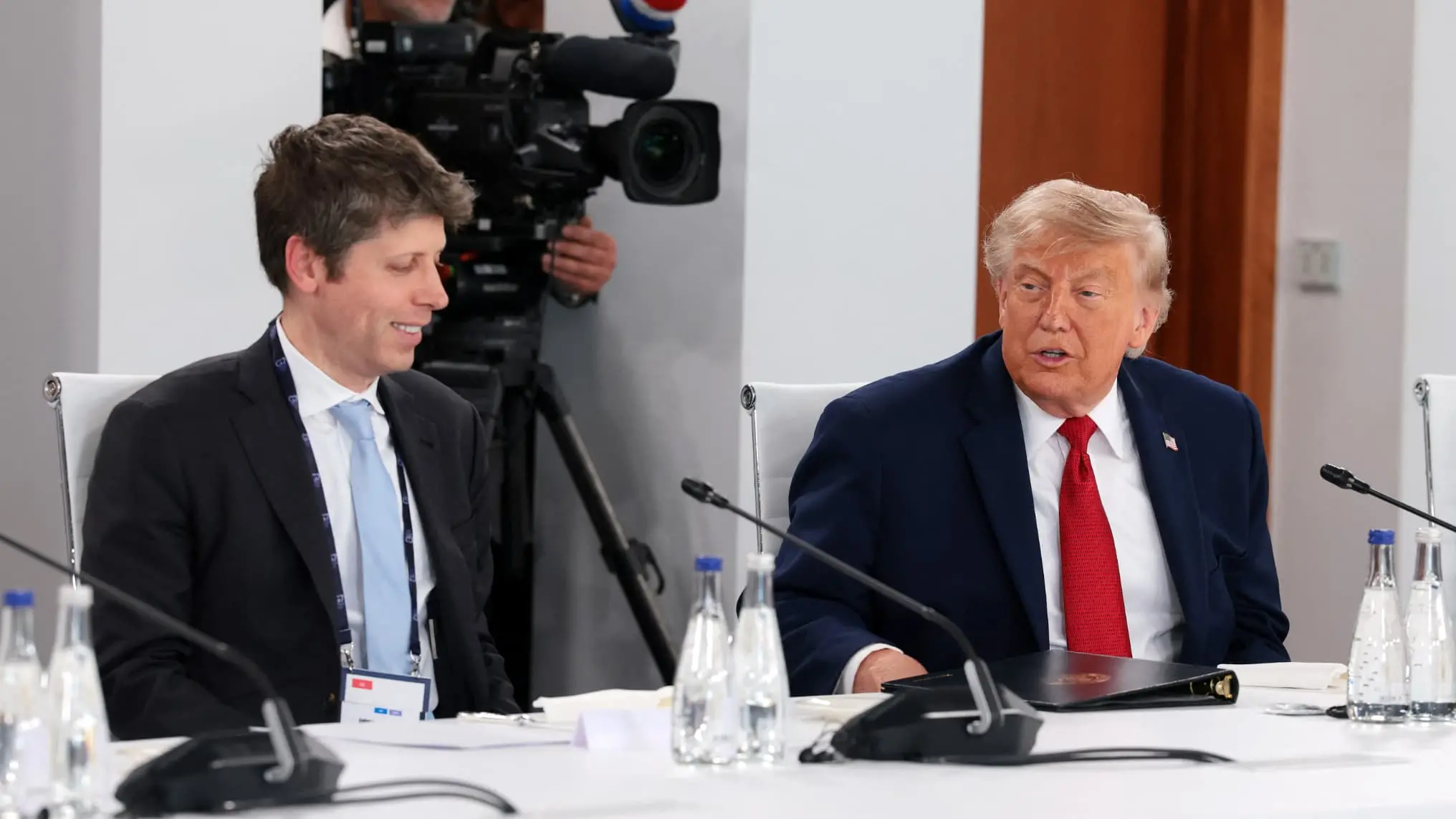
OpenAI, the artificial intelligence research organization behind ChatGPT, is reportedly exploring a groundbreaking strategy to ease tensions with the Trump administration: offering the US government a 5% equity stake. According to the Financial Times, the company is prepared to transfer a portion of its $852 billion valuation—amounting to more than $42 billion—to Washington in exchange for political stability and regulatory goodwill.
Sam Altman, OpenAI's CEO, has been leading the discussions with White House officials. His proposal is rooted in the idea that shared financial interests could transform adversarial relationships into partnerships. "If the government has a direct stake in our success, it aligns incentives," Altman has argued privately. The move would effectively give the US government a seat at the table as the AI industry races toward unprecedented growth.
The offer comes at a time of heightened scrutiny for AI companies. The Trump administration, initially friendly toward tech innovation, has grown increasingly wary of AI's societal impact, particularly regarding job displacement and national security. In June, federal authorities delayed the release of new models from OpenAI and Anthropic, citing security vulnerabilities. Some Trump advisers have called for stricter oversight, echoing concerns that AI could be used for misinformation, surveillance, or autonomous weapons.
OpenAI's proposal is not entirely novel. The company has previously advocated for a "public wealth fund"—a sovereign investment vehicle that would capture a portion of AI industry profits for public benefit. Altman envisions a model similar to Alaska's Permanent Fund, which distributes dividends from oil revenues to every resident. He has suggested that multiple tech giants, including Google, Meta, and Anthropic, could contribute to such a fund.
The concept has historical precedent. In the 1980s and 1990s, Intel employed a similar strategy to navigate government relations. When tensions flared over trade practices and antitrust concerns, Intel offered the US government a 10% stake. The move secured political backing, and President Trump later praised Intel's willingness to partner with Washington. For OpenAI, the hope is to replicate that success and avoid the regulatory crackdowns that have plagued other tech sectors.
Yet the path forward is uncertain. Anthropic, another leading AI company, has been in open conflict with the administration over export controls and model release restrictions. Google and Meta have not expressed interest in similar equity arrangements. Critics argue that government ownership could compromise the intellectual independence of AI research or steer development toward politically motivated ends.
The broader context underscores the stakes. The AI industry is expected to contribute trillions to the global economy over the next decade, and the US government is eager to maintain technological supremacy against China. However, rapid advancements have outpaced regulatory frameworks. OpenAI's offer could set a precedent for how governments and private enterprises collaborate in shaping the future of technology.
OpenAI has faced its own internal pressures. Founded in 2015 as a nonprofit, the organization transitioned to a "capped-profit" model in 2019 to attract investment. Its partnership with Microsoft has drawn scrutiny from antitrust regulators. Meanwhile, Altman has been navigating calls for more transparency and accountability from both employees and the public.
If the equity deal proceeds, it would mark a historic shift in corporate-government relations. The US government would become a direct beneficiary of OpenAI's financial success, with dividends potentially flowing into public coffers. For Trump, the arrangement offers a tangible way to claim credit for protecting American jobs and fostering innovation.
The proposal also raises questions about valuation and fairness. At $42 billion, the 5% stake is enormous, but it pales in comparison to the potential value of AI breakthroughs. Some economists worry that such deals could distort markets or discourage private investment. Others see it as a pragmatic solution to a complex political problem.
As discussions continue, OpenAI is pressing its case on multiple fronts. Altman has testified before Congress, written op-eds, and spoken at AI safety summits. The company has also invested heavily in compliance and ethical guidelines, hoping to preempt further restrictions. However, the political climate remains volatile. With the 2026 midterm elections approaching, AI regulation is likely to become a key campaign issue.
In the meantime, the tech world watches closely. If OpenAI succeeds in buying peace with Washington, it could inspire other companies to follow suit. But if the deal falls apart, the industry may face a new era of confrontation with the federal government—one that could reshape the landscape of artificial intelligence for years to come.
Sam Altman's vision extends beyond OpenAI. He has proposed that the proposed sovereign fund could invest in education, healthcare, and infrastructure, ensuring that the benefits of AI are widely distributed. "This isn't just about one company," he said in a recent podcast. "It's about building a future where technology serves everyone, not just the wealthy."
The next few months will be critical. OpenAI is expected to release its next-generation model, GPT-5, which promises even greater capabilities. Safety concerns could reignite debate over whether the government should have a direct role in approving new AI systems. Meanwhile, Trump's team is weighing the political advantages of backing a deal that could be painted as either visionary or reckless.
For now, OpenAI's offer remains on the table. The company has already signaled willingness to negotiate the terms, including the percentage of equity and the governance structure of any joint fund. What is clear is that the relationship between Silicon Valley and Washington is entering uncharted territory. Whether through equity stakes, sovereign funds, or regulation, the outcome will shape the future of AI—and the global balance of power.
Source:BFM BUSINESS News