

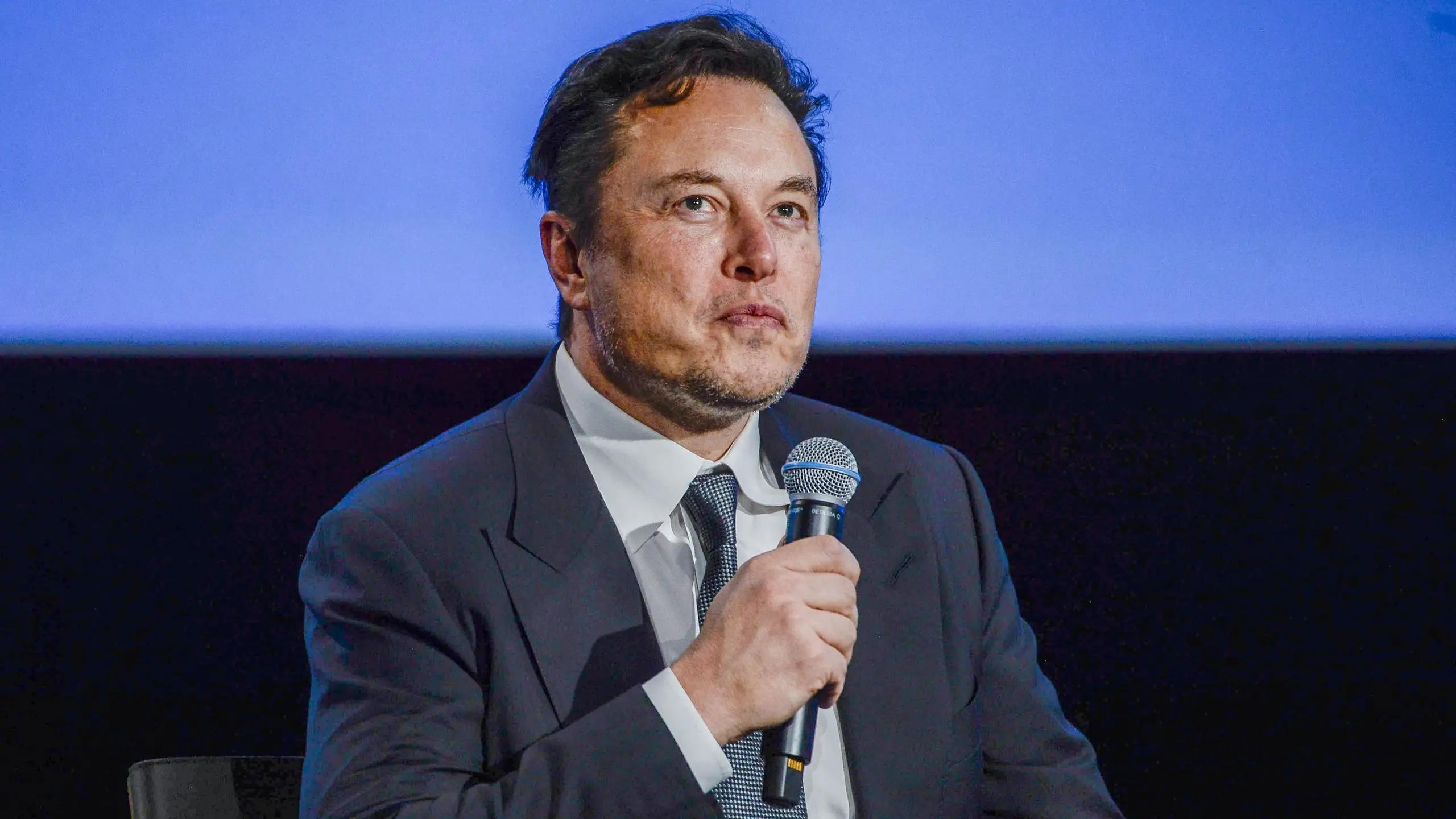
Tesla has long been synonymous with electric vehicles, solar energy, and ambitious infrastructure projects. Now, under Elon Musk's leadership, the company is eyeing the booming artificial intelligence data center market with its so-called Megapod—a modular, all-in-one AI data center kit. The concept is tantalizing: prefabricated, containerized units that can be shipped and deployed quickly, offering petabytes of compute power for training large language models and running inference workloads. However, as with many Musk-backed initiatives, the reality is far more complex. The Megapod faces at least three severe obstacles that could undermine its promises.
What Is the Megapod?
The Megapod is essentially a turnkey data center module designed by Tesla's energy and engineering teams. It combines high-density GPU clusters, Tesla's own Powerwall and Megapack battery systems for energy storage, solar panel compatibility, and advanced cooling solutions—all housed in a standardized shipping container-like form factor. The idea is to allow companies to scale their AI infrastructure by simply adding more pods, bypassing the lengthy construction timelines and custom engineering typical of traditional data centers.
Tesla has not officially announced the Megapod as a mainstream product, but rumors and internal presentations have leaked, suggesting the company aims to target cloud providers, enterprises, and even governments that need rapid AI compute capacity. Musk himself has hinted at the product during investor calls, framing it as a natural extension of Tesla's expertise in energy management and high-performance computing for autonomous driving.
Problem One: Astronomical Energy Requirements
The first and most daunting challenge is power. AI workloads are notoriously energy-hungry. Training a single large language model can consume electricity equivalent to thousands of homes per month. A Megapod unit, packed with thousands of GPUs, would draw megawatts of power. While Tesla's battery storage can buffer peaks and smooth demand, the primary power source must still come from the grid or on-site renewables.
In many regions, grid capacity is already strained, and obtaining permits for high-voltage connections can take years. Even if a customer can secure the power, the cost per kilowatt-hour in places like California or the EU can be prohibitive. Tesla's own solar panels and Powerpacks can offset some of the load, but they cannot provide 24/7 baseload power without massive battery banks that would inflate the footprint and cost.
Moreover, thermal management in dense GPU clusters generates enormous heat. The Megapod's cooling system would need to dissipate heat efficiently in a compact space—likely using liquid cooling, which adds complexity and maintenance requirements. If cooling fails even for minutes, hardware can be irreparably damaged, leading to costly downtime.
Problem Two: Staggering Cost and Economic Viability
The second problem centers on economics. A single Megapod is estimated to cost several million dollars—some analysts suggest $5 million to $10 million per unit depending on GPU density and storage. For a decent-sized AI cluster, companies would need dozens or hundreds of pods, pushing total cost into the hundreds of millions. That price tag is comparable to building a traditional data center of similar capacity, but with the added risk of relying on a relatively unproven modular design.
Maintenance costs are another concern. Tesla's proprietary components—from Powerwall inverters to cooling loops—may require specialized service contracts. Unlike standard data center hardware that can be serviced by any qualified technician, Megapod repairs might mandate Tesla-approved engineers, increasing operational expenses.
Furthermore, the resale value of modular pods is uncertain. AI hardware evolves rapidly; today's cutting-edge GPU becomes obsolete in two to three years. If Tesla locks customers into a closed ecosystem, upgrading individual components could be difficult or impossible without replacing entire pods. This risk could deter risk-averse enterprise buyers who prefer flexibility.
Problem Three: Fierce Competition and Market Skepticism
The third hurdle is competition. The modular data center space already has established players like Schneider Electric, Vertiv, and Dell, who offer prefabricated modules with proven reliability and global support chains. Additionally, major cloud providers—Amazon Web Services, Microsoft Azure, and Google Cloud—are deploying their own custom-designed modular data centers as part of their edge computing strategies. These hyperscalers have deep pockets, existing customer relationships, and economies of scale that Tesla cannot match overnight.
There's also the question of trust. Tesla's track record with product launches is mixed. The Cybertruck faced production delays, the Semi is still ramping, and the controversial Full Self-Driving software remains in beta. Data center operators require rock-solid reliability and long-term assurance of spare parts and firmware updates. A startup-like approach from a car company may not inspire confidence among infrastructure buyers.
Moreover, energy storage in data centers is not new. Many facilities already deploy UPS batteries from companies like Tesla's competitor, CATL. Tesla's Megapack is not necessarily superior in efficiency or cycle life. Without a clear performance advantage, the Megapod may struggle to justify its premium price.
Regulatory and Logistical Hurdles
Beyond the three core problems, additional issues lurk. Shipping containers of this size require special transportation permits, crane lifting, and site preparation. Building codes for data centers vary widely by jurisdiction, and modular units must comply with local seismic, fire, and electrical standards. Tesla's expertise lies in automotive and energy products, not in navigating the labyrinth of data center compliance.
Supply chain constraints also pose a risk. The Megapod relies on high-end GPUs from NVIDIA or AMD, which are already in short supply due to AI boom demand. Tesla would need to secure allocation agreements, potentially competing against its own AI initiatives (such as Dojo chips and FSD training). Internal resource contention could slow development and delivery.
Environmental and Social Considerations
Data centers are under increasing scrutiny for their environmental impact. While the Megapod includes renewable energy integration, the sheer scale of AI compute growth means that even a 10% efficiency improvement may be overshadowed by overall power consumption growth. Communities near proposed data center sites often resist due to noise, water usage (for cooling), and visual blight. A modular pod, however sleek, still requires a concrete pad and transmission lines, which can trigger local opposition.
Tesla's brand as a green technology leader could be damaged if its Megapods are seen as contributing to energy overconsumption. The company would need to demonstrate genuinely sustainable practices—like using recycled materials, achieving net-zero operations, or enabling load shifting to reduce grid strain.
Despite these challenges, the Megapod concept should not be dismissed outright. The modular approach does lower the barrier to entry for smaller AI firms and could accelerate edge AI deployments. If Tesla can resolve the power density issue through innovations like immersion cooling or its own custom chips (Dojo), it might carve out a niche. However, the three problems—energy, cost, and competition—are formidable. Until Tesla addresses them convincingly, the Megapod remains a promising but deeply uncertain venture.
Source:TechRadar News