
A 'Shocking' Number Of Drones Were Seized Flying Near World Cup Stadiums
Even if FIFA and the World Cup were foreign concepts a few weeks ago, the 2026 tournament has firmly captured the attention of the United States. With the U.S. men's national team still in contention, cities like Boston, New York, Los Angeles, and Dallas have become epicenters of global celebration. Stores are stocked with extra beer, social media overflows with videos of international visitors marveling at American conveniences like Ranch dressing, unlimited soda refills, and the sprawling wonder that is Buc-ee's. The joyous energy of World Cup visitors is contagious, even for those who are not traditional soccer fans. However, amid the festivities, the Transportation Security Administration (TSA) is issuing a stark reminder: flying a drone over a stadium to catch a game is strictly prohibited and carries severe consequences.
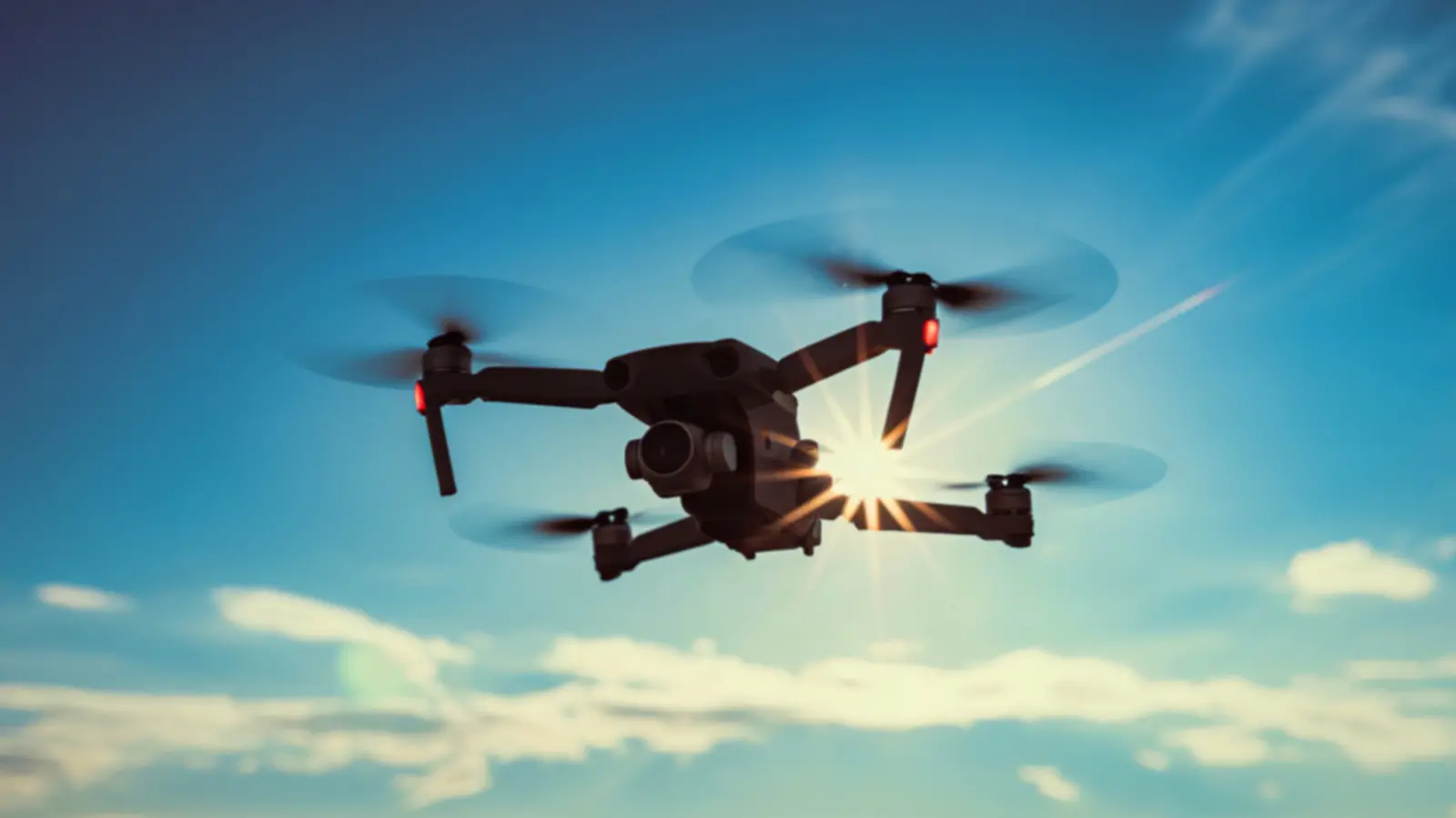
During World Cup matches, the airspace around official venues becomes a tightly controlled security zone. The restrictions are not merely suggestions—they are enforced by a multi-agency operation involving the TSA, the Federal Aviation Administration (FAA), the Department of Homeland Security, the FBI, and the White House FIFA World Cup Task Force, all working in concert with state and local law enforcement. Drones are banned within a three-mile radius of stadiums and up to 3,000 feet above them, extending also to official fan gathering areas. As the tournament continues through July 19, the TSA has already seized more than 300 drones that entered these restricted zones. One security official described this number to ABC News as "quite shocking actually," underscoring the scale of the problem and the determination of authorities to enforce the rules.
Understanding the Restricted Airspace
The no-fly zone around World Cup stadiums is not arbitrary; it is designed to protect millions of spectators, players, and critical infrastructure. The three-mile radius and 3,000-foot ceiling were established through Temporary Flight Restrictions (TFRs) issued by the FAA. These TFRs are publicly available and clearly marked on aviation charts and drone pilot apps. In addition to the stadiums themselves, the restrictions extend to official FIFA Fan Fest sites and other large public viewing areas, where one-mile radius and 1,000-foot ceilings apply. The comprehensive security cordon is intended to prevent not only accidental intrusions but also deliberate malicious acts using drones, such as surveillance, disruption, or even weaponized payloads.
The head of the White House World Cup Task Force, Andrew Giuliani, told ABC News that every World Cup match in the U.S. has "counter-drone mitigation protection." This means that security personnel deploy advanced technologies capable of detecting, tracking, and disabling unauthorized drones. These systems include radar, radio frequency scanners, acoustic sensors, and optical cameras that can identify a drone's make, model, and operator location. Once detected, authorities can use jamming devices to sever the control link, forcing the drone to land or return to its launch point. In extreme cases, net-firing drones or even kinetic interceptors may be used to physically capture or destroy the threat. The message is clear: every unidentified drone entering these restricted areas will be treated as a potential threat, and the operator will face swift action.
Penalties for Violations
The consequences for flying a drone near a World Cup event are severe. Civil penalties can reach up to $100,000 per violation, as authorized under FAA regulations. This is not a one-time fine; each unauthorized flight could result in multiple violations based on the duration and nature of the incursion. Additionally, drone operators may face criminal charges under federal law, including violations of the Patriot Act or other statutes related to national security. The FBI Miami office issued a stark warning on Facebook, alerting drone operators that they could face up to one year in prison for flying a drone near a World Cup event. Furthermore, the drone itself will be confiscated and likely destroyed, regardless of its value. Operators may also be required to register with the FAA as part of the enforcement process, which could lead to further restrictions on future drone use.
The legal framework for these penalties is rooted in the FAA Modernization and Reform Act of 2012 and subsequent regulations. The FAA has authority to issue civil penalties for any reckless or unauthorized operation of an unmanned aircraft system. In the context of World Cup TFRs, the government has additional leverage through national security provisions. Prosecutors may also pursue charges under 18 U.S.C. § 32 (destruction of aircraft) or 18 U.S.C. § 175 (biological weapons), though these would apply only in extreme cases. The key takeaway is that ignorance is never an acceptable excuse. Drone operators are expected to know the rules of the sky, and the availability of official apps like B4UFLY makes it easy to check for restricted airspace before every flight.
What Drone Owners Should Know
To avoid running afoul of the law, drone owners must take proactive steps. First, always check for TFRs before flying, especially near any major event. The FAA's B4UFLY app and website provide up-to-date information on airspace restrictions, including temporary zones like those around World Cup venues. Second, ensure your drone is properly registered with the FAA if it weighs more than 0.55 pounds. Registration is a legal requirement and helps authorities identify lost or confiscated drones. Third, fly only in designated areas such as recreational parks, open fields, or commercial facilities that have received authorization. Many amateur drone operators unknowingly violate rules because they assume that public spaces are always open for drone use, but this is not the case near events, stadiums, airports, or critical infrastructure.
Even experienced drone pilots can make mistakes. The high volume of drone incursions near World Cup stadiums suggests that many operators may have been unaware of the specific TFRs or believed that they could fly discreetly without detection. However, with advanced counter-drone technology deployed at every match, detection is nearly certain. The FBI is not only monitoring the skies but also analyzing data to trace drones back to their operators. Law enforcement can use the drone's location, flight path, and video feed to identify the pilot. This information can be bolstered by witness reports from stadium personnel and fans. The risk of being caught is extremely high, and the penalties are designed to deter even the most casual curiosity.
For those who wish to capture aerial footage of World Cup festivities, there are legal alternatives. Many venues and fan zones are served by official media partners and broadcasters who have obtained waivers from the FAA and security teams. Amateur pilots can also explore public events that are not subject to TFRs, such as local street festivals or community celebrations. However, even then, operators must respect privacy laws and avoid flying over crowds or sensitive areas. The FAA recommends that all pilots, whether commercial or recreational, complete the TRUST (The Recreational UAS Safety Test) certification, which covers basic safety regulations and best practices.
The Broader Context of Drone Security
The World Cup drone seizures are part of a larger trend of increasing drone intrusions at major events worldwide. In recent years, drones have disrupted airports, sporting events, concerts, and political gatherings. The growing availability and affordability of consumer drones have made them accessible to hobbyists and potential malicious actors alike. Governents and event organizers have responded by investing heavily in counter-drone systems, which are now a standard component of security planning for events like the Super Bowl, the Olympics, and the World Cup. The technology is evolving rapidly, with systems that can track multiple drones simultaneously, identify their payloads, and neutralize them with minimal collateral damage.
The 2026 World Cup presents unique challenges because it spans multiple states and cities across the United States. Each venue has its own security setup, but all share the same basic restrictions and enforcement protocols. The coordination between federal, state, and local agencies is unprecedented, with joint command centers in each host city. The TSA has also conducted public awareness campaigns, including social media posts, airport signage, and partnerships with drone retailers, to educate operators about the rules. Despite these efforts, the number of seized drones indicates that enforcement must remain vigilant. The message from authorities is simple: either follow the rules or face the consequences.
As the tournament progresses into July, the TSA and its partners will continue to monitor the skies. The current count of more than 300 seized drones may rise, and additional penalties will be handed down. Drone operators are urged to respect the restricted airspace and find legal ways to enjoy the World Cup excitement. The safest approach is to leave the drone at home and watch the matches from the stands, a sports bar, or the comfort of your living room. The spectacle is meant to be enjoyed, but not at the cost of public safety or legal trouble.
Source:SlashGear News